Denver, CO & the surrounding area
Furnace Installation Denver
Furnace Installation Denver connects Denver-area homeowners with one independent, insured local heating professional for a free installation estimate. Call (303) 226-1486 or send the form. No call list, no obligation — and the numbers below before anyone shows up.
- Free replacement estimate
- Insured local pro
- No obligation
Free Furnace Estimate
A no-cost in-home estimate, with no obligation to buy
Insured Local Heating Professional
We connect you with one independent Denver-area business
Clear Sizing & Price Answers
Understand the options before you decide on a replacement
What We Help With
Furnace installation help in Denver
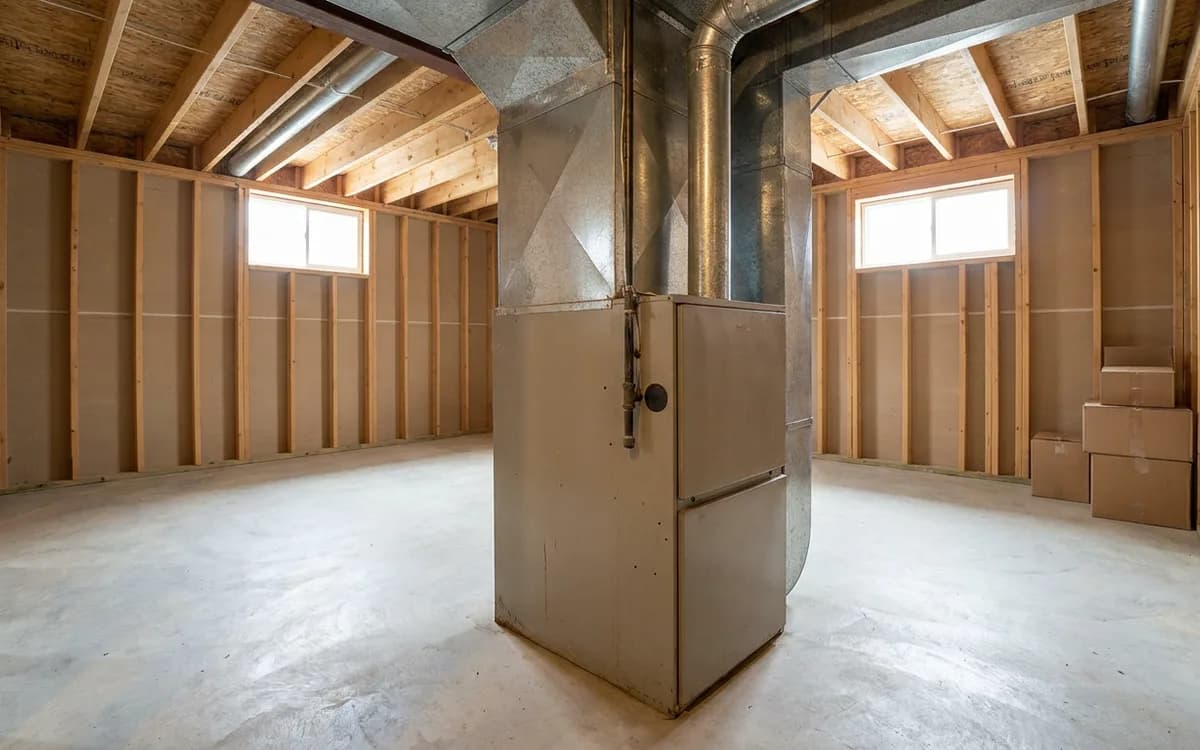
Repair or Replace?
Use the repair cost and furnace age to decide whether a replacement is actually the smarter money.
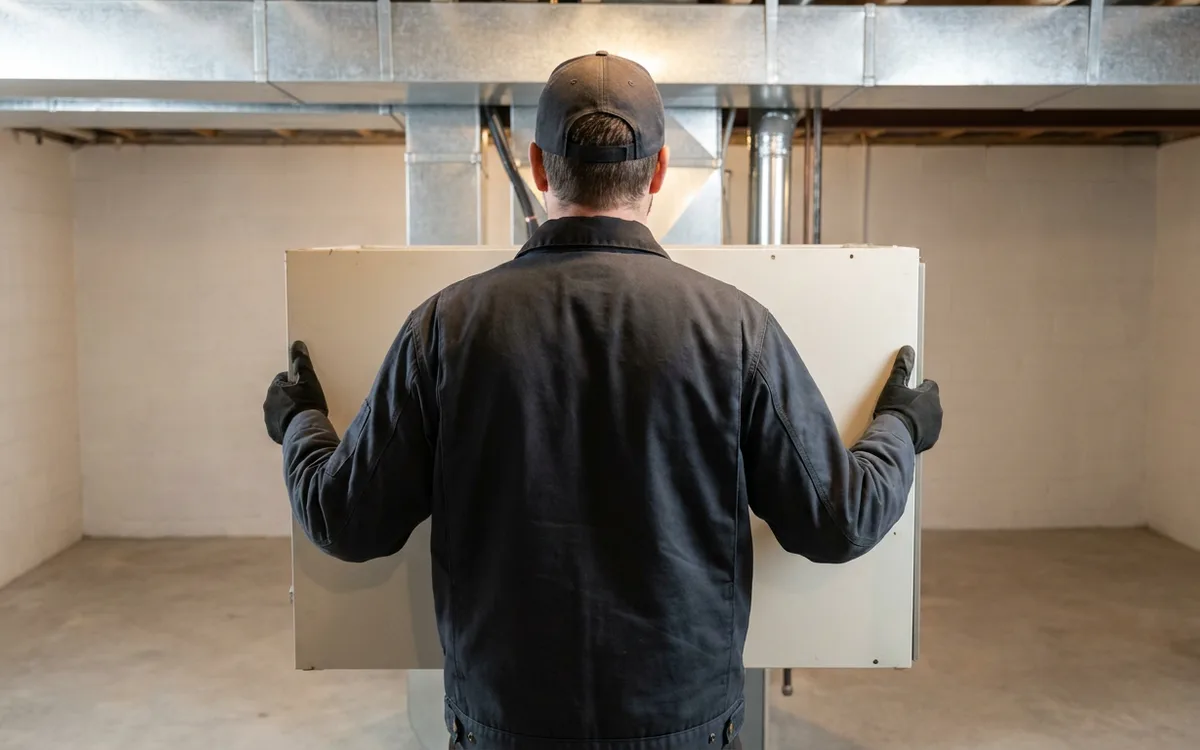
Furnace Replacement
See what a Denver replacement involves before someone hands you a number.
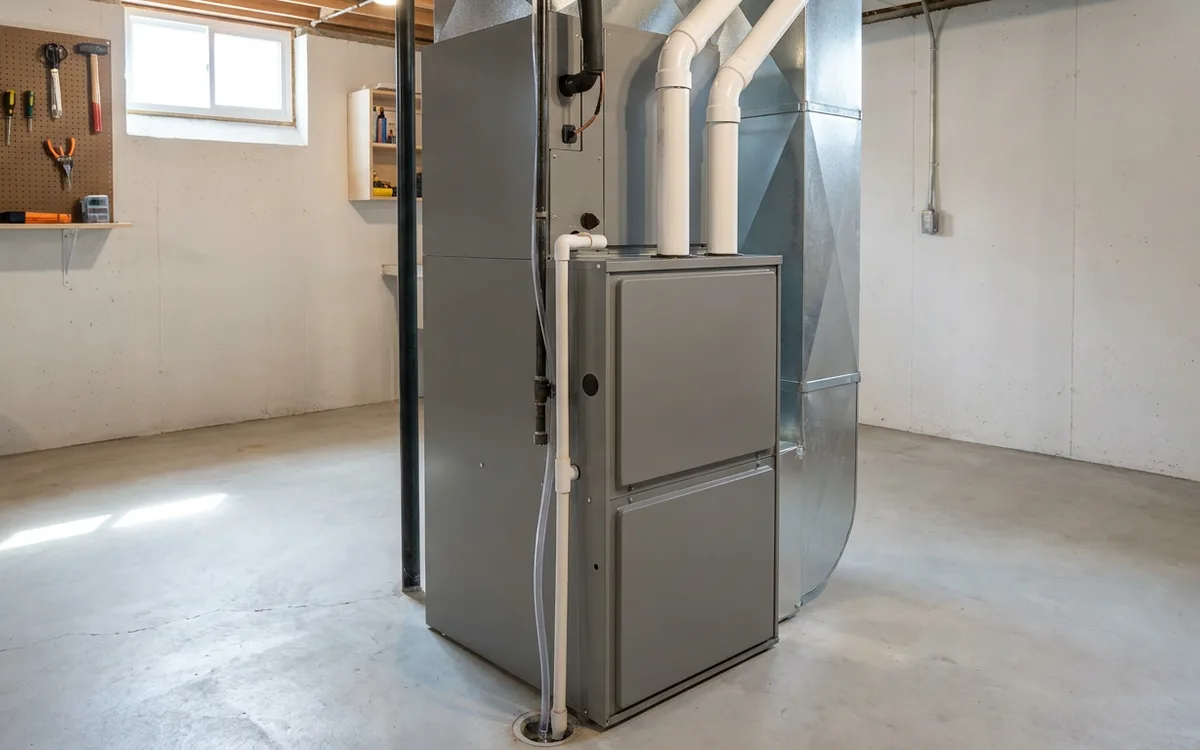
High-Efficiency Furnace
Compare the equipment, venting, and altitude questions behind a higher-efficiency option.

Cost Guide
Understand the real installed range and the line items that move it.
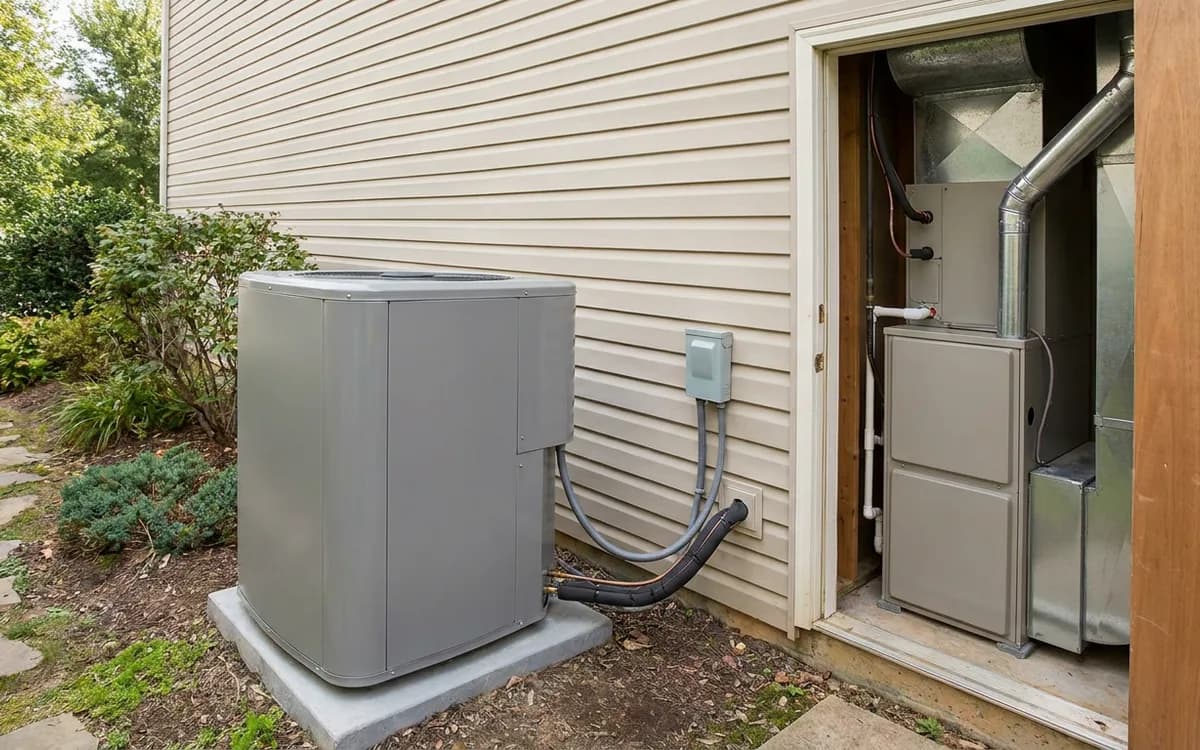
Heat Pump vs Furnace
Sort through the climate, equipment, and budget tradeoffs before choosing a system.
The process
Furnace Installation Denver: How We Work
- 01
Tell us what the furnace is doing
Call or send the form — tell us your part of the metro, the age of the system if you know it, and whether you currently have heat.
- 02
We connect you with one insured local pro
Your request goes to one independent heating professional working the Denver metro — not a call list that rings six companies.
- 03
A free estimate, no obligation
They size the system for your house, walk you through the options and rebate paperwork, and put a number on it. You decide from there.
What a Denver furnace installation actually costs
Straight answer first: most Denver furnace installations run $6,300 to $8,650, and about $7,400 is the number to plan against for a standard-efficiency gas furnace with equipment and labor included.
You'll find a lower figure elsewhere. Angi's Denver page puts the average at $4,924 with a normal range of $2,914 to $6,933. Both numbers are real. The gap is what's counted — the lower one blends in small units, easy swaps, and equipment-only pricing, while the higher one reflects a complete installed job on a typical Front Range house.
Here's what size does to the price:
| Furnace capacity | Rough home size | Installed cost range |
|---|---|---|
| 40,000 BTU | up to ~1,000 sq ft | $5,650 – $8,600 |
| 60,000 BTU | ~1,000–1,500 sq ft | $6,100 – $8,950 |
| 80,000 BTU | ~1,500–2,000 sq ft | $6,850 – $10,100 |
| 100,000 BTU | ~2,000–2,500 sq ft | $7,300 – $10,350 |
| 120,000 BTU | ~2,500+ sq ft | $7,700 – $12,300 |
And what equipment type does to it:
| Type | Installed range | The catch |
|---|---|---|
| Standard single-stage gas | $6,650 – $8,600 | Reuses existing chimney venting |
| High-efficiency two-stage, 95%+ AFUE | $7,500 – $11,200 | Add $899 – $1,965 for PVC flue if you're converting |
| Electric furnace | $6,100 – $11,200 | Add $562 – $1,965 for a 220V circuit if converting from gas |

What your quote should have in it
A furnace quote that's just one number at the bottom of a page isn't a quote. It's a hope. Ask for it broken out, because every one of these lines is negotiable or at least explainable:
- Equipment, normally 40–60% of the total. A standard 80% AFUE single-stage runs $2,400–$3,900. A 95%+ two-stage runs $3,550–$6,100.
- Labor, normally 25–35%. Pulling the old furnace, setting the new one, gas connections, wiring, thermostat. Typically $3,000–$6,900 depending on how awkward the space is.
- Materials, 5–15%. Venting, gas piping, sheet metal transitions, mounting hardware.
- Permit, $80–$150 in the Denver metro. The contractor pulls it.
Three things are usually not in the quote and can surprise you later: ductwork modification ($1,600–$5,550 and up), an electrical panel upgrade if you're going electric ($3,750–$7,100), and a thermostat ($150–$500). If your house needs any of them, you want to know now, not on installation day.

The Xcel rebate nobody seems to mention
Install a natural gas furnace at 95% AFUE and Xcel Energy pays a $225 rebate. A 95% boiler is also $225, and a 95% boiler paired with an indirect water heater is $325. That's straight off Xcel's own heating equipment rebate page.
We're pointing this out because at least two Denver contractor sites currently ranking for furnace searches tell homeowners the opposite — that furnace rebates ended and only heat pumps qualify now. That's not right. Xcel is reducing the heat pump bonus rebates, and somewhere in the retelling that turned into "no furnace rebates." Different program, different equipment.
It's $225. It won't decide anything on an $8,000 job. But you should get it, and you should notice when someone tells you money doesn't exist when it does.
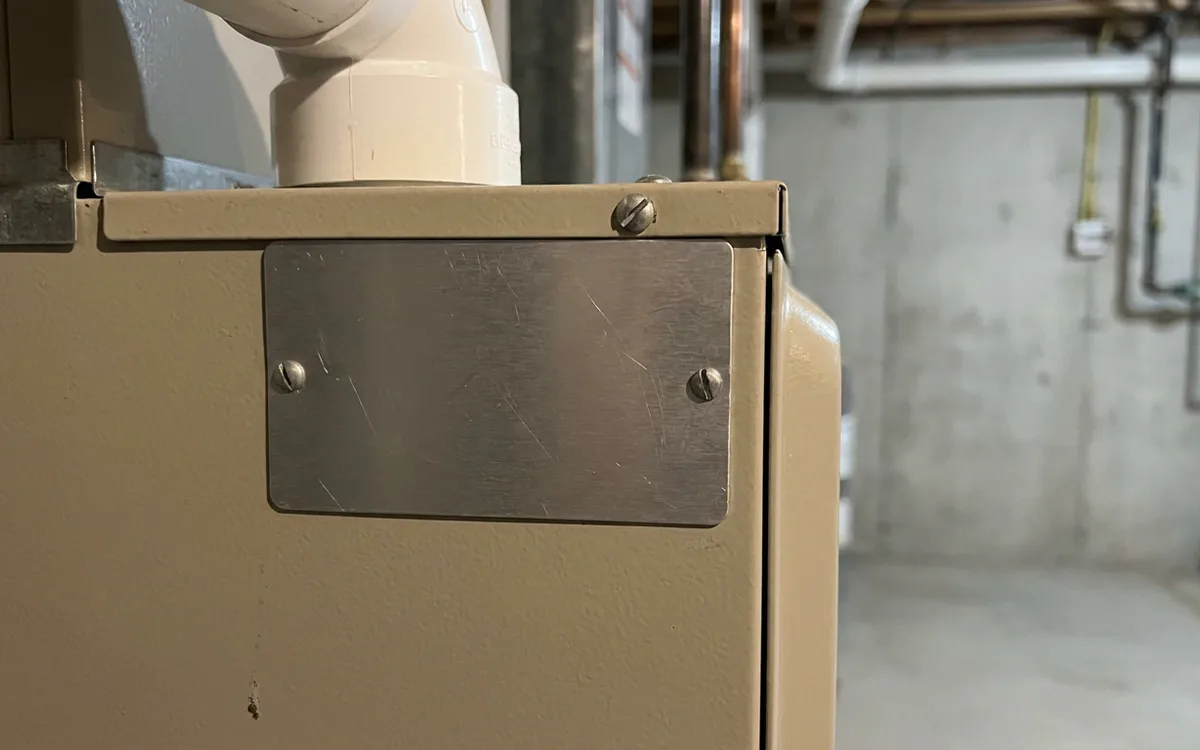
Sizing is where Denver gets different
The rule of thumb is 30 to 60 BTUs per square foot. That's a starting point for a conversation, not an answer, and the spread between 30 and 60 is the whole ballgame on a 2,000 square foot house.
Denver adds a wrinkle most of the country doesn't have. Gas furnaces lose capacity at altitude — roughly 4% per 1,000 feet — and Denver sits above 5,200 feet. A unit sized off sea-level tables is undersized here before it's even uncrated. A contractor who knows the market derates for it without being asked.
Oversizing is the more common mistake, and it's the one that actually hurts. A furnace that's too big heats the house fast, shuts off, and starts again a few minutes later. That's short-cycling: uneven temperatures, more wear on the ignitor and blower, and a shorter life on an expensive machine. Bigger is not safer.
Free furnace estimate in Denver
Get a real number before an old furnace makes the decision for you.
Get connected with one insured local heating professional who can size the house, explain the options, and put the estimate in writing. No call list and no obligation.
Permits, licensing, and who is responsible
Colorado does not issue a statewide HVAC or mechanical contractor license. The state licenses electricians, plumbers, and radon professionals — HVAC isn't on the list. That surprises people, and it's why "licensed" gets used loosely in this trade around here.
Denver is stricter than the state. The City and County of Denver licenses mechanical contractors, and a contractor's license requires holding or employing someone with a supervisor certificate. A furnace replacement requires a mechanical permit, and the contractor pulls it.
So the useful questions are specific ones: What's your Denver mechanical contractor license number? Are you pulling the permit, and is it in the quote? A pro who does this every week answers both without pausing. Anyone who suggests skipping the permit to save you a hundred dollars is telling you something about how the rest of the job will go.
When repair is the smarter money
We'd rather you not buy a furnace you don't need. If the decision is whether to replace both systems, compare a furnace and AC replacement in Denver before treating it as an automatic bundle. If the heat is already out, start with the emergency furnace replacement guide so you can separate a safety issue from a repairable failure.
The $5,000 rule is the quick screen: multiply the repair cost by the furnace's age. Over $5,000 and replacement usually wins. A $400 repair on a 20-year-old unit is $8,000 — replace it. That same repair on a 6-year-old furnace is $2,400 — fix it and move on.
Some situations override the arithmetic. A cracked heat exchanger is a replacement conversation at nearly any age, because that's a combustion-gas problem rather than a comfort problem. And a furnace past 20 that's still heating evenly and hasn't needed a repair yet doesn't have to be replaced on schedule just because it's old.
If you're genuinely on the fence, furnace repair or replace in Denver walks the decision properly. If you already know you're replacing, furnace replacement in Denver gets into the swap itself, and the furnace installation cost guide goes deeper on pricing than this page does.
Service area
What happens when you call
You get one insured local heating professional. Not four companies buying your phone number and racing to dial it.
They come out, measure the house rather than eyeballing it, look at your existing ductwork and venting, and give you a written estimate with the lines broken out. If the honest answer is that your furnace has another few winters in it, that's what you should hear.
Call (303) 226-1486 or send the form. It's free, and there's no obligation to hire anyone.
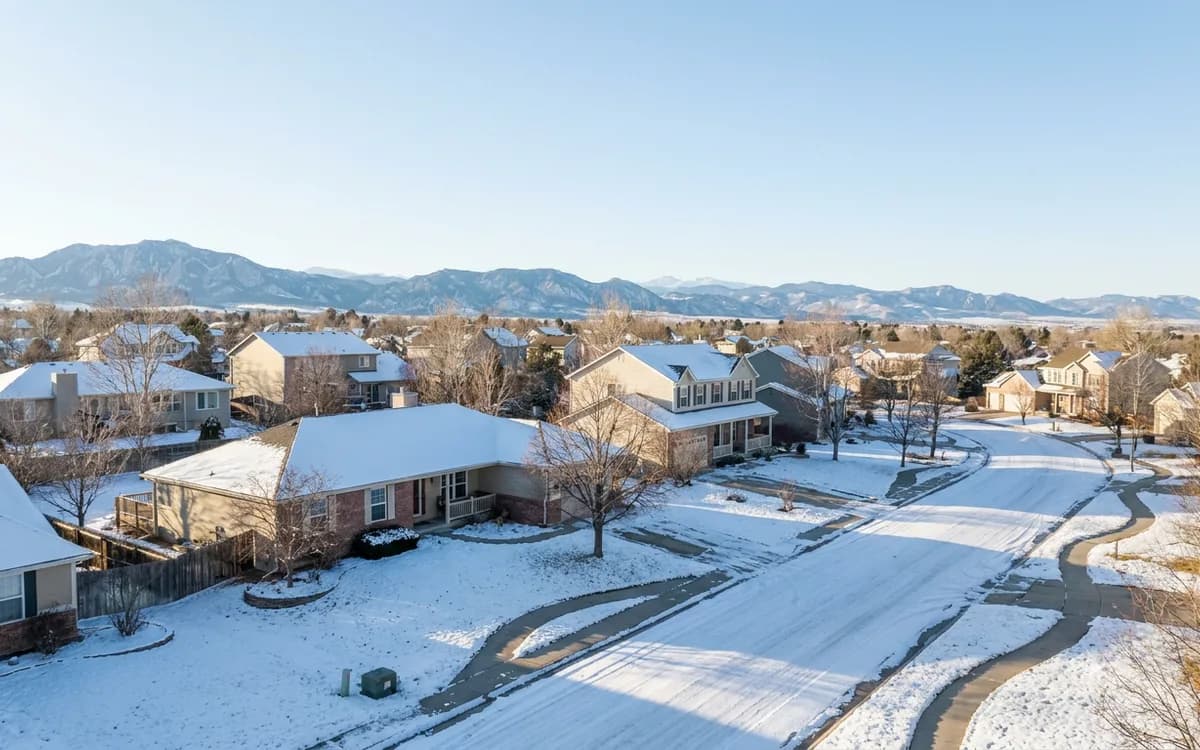
We serve Denver and the metro — Aurora, Broomfield, Thornton, Highlands Ranch, Arvada, Parker, and Littleton. The full list is on service areas. Want to compare companies yourself first? The Denver heating contractor directory lists local operators with no rankings attached.
Questions
Frequently Asked Questions
How much does it cost to install a new furnace in Denver?
Most Denver furnace installations land between $6,300 and $8,650 for a standard-efficiency gas furnace with equipment and labor, and around $7,400 is a fair number to plan against. Angi's Denver data puts the average at $4,924 with a normal range of $2,914 to $6,933, which runs lower because it blends in smaller units and simpler swaps. If your quote is far outside both of those, ask what's driving it before you sign.
What is the $5,000 rule for repairing a furnace?
Multiply the repair quote by the age of the furnace. If the result is over $5,000, replacement is usually the better money. A $400 repair on a 20-year-old furnace comes to $8,000, so you'd replace. A $400 repair on a 6-year-old unit comes to $2,400, so you'd fix it. It's a rough guide, not a law — a cracked heat exchanger is a replacement conversation at almost any age.
Can I legally install my own furnace in Denver?
Denver issues homeowner permits, but you have to pass an exam before doing your own mechanical work, and the installation still gets inspected. Gas and venting mistakes are the kind that hurt people rather than just costing money. Most homeowners hire it out, and a manufacturer's warranty is frequently void on a self-installed unit — check yours before you decide.
Does Xcel Energy still pay a furnace rebate in 2026?
Yes. Xcel's own heating equipment rebate page lists $225 for a natural gas furnace at 95% AFUE, plus $225 for a 95% boiler and $325 for a 95% boiler with an indirect water heater. Some Denver contractor pages claim furnace rebates ended — that's wrong as of this writing. The heat pump bonus rebates are the ones being reduced, and that's a different program.
How long does a furnace installation take?
A straight swap is usually one full day. It runs longer when the venting has to change — moving from a standard-efficiency furnace to a 95% condensing unit means new PVC pipe run to the outside, and that isn't a thirty-minute job. Ductwork changes or an electrical panel upgrade can push it to two days.
What size furnace do I need for a Denver home?
The rough starting point is 30 to 60 BTUs per square foot, so a 2,000 sq ft house lands somewhere around 60,000 to 120,000 BTU. That range is wide on purpose. A real answer comes from a load calculation that accounts for your insulation, windows, and Denver's altitude — gas furnaces lose roughly 4% of capacity per 1,000 feet, and Denver sits above 5,200.
Do I have to buy a low-NOx furnace in Colorado now?
New gas furnaces sold or installed in Colorado have to meet the state's low-NOx limits under HB23-1161, which took effect January 1, 2026. That's the contractor's problem, not yours — but it's worth asking them to confirm the specific model complies, in writing, before installation day.
Should I replace my furnace and AC at the same time?
If both are near the end of their lives, doing them together usually saves on labor and gets you a properly matched system. If your AC is only a few years old, there's rarely a reason to tear it out. An honest estimate will tell you which situation you're in instead of quoting the bigger job by default.
Ready to get started?
Get connected with one local, insured heating professional. Honest sizing, a real number, and no obligation to buy.