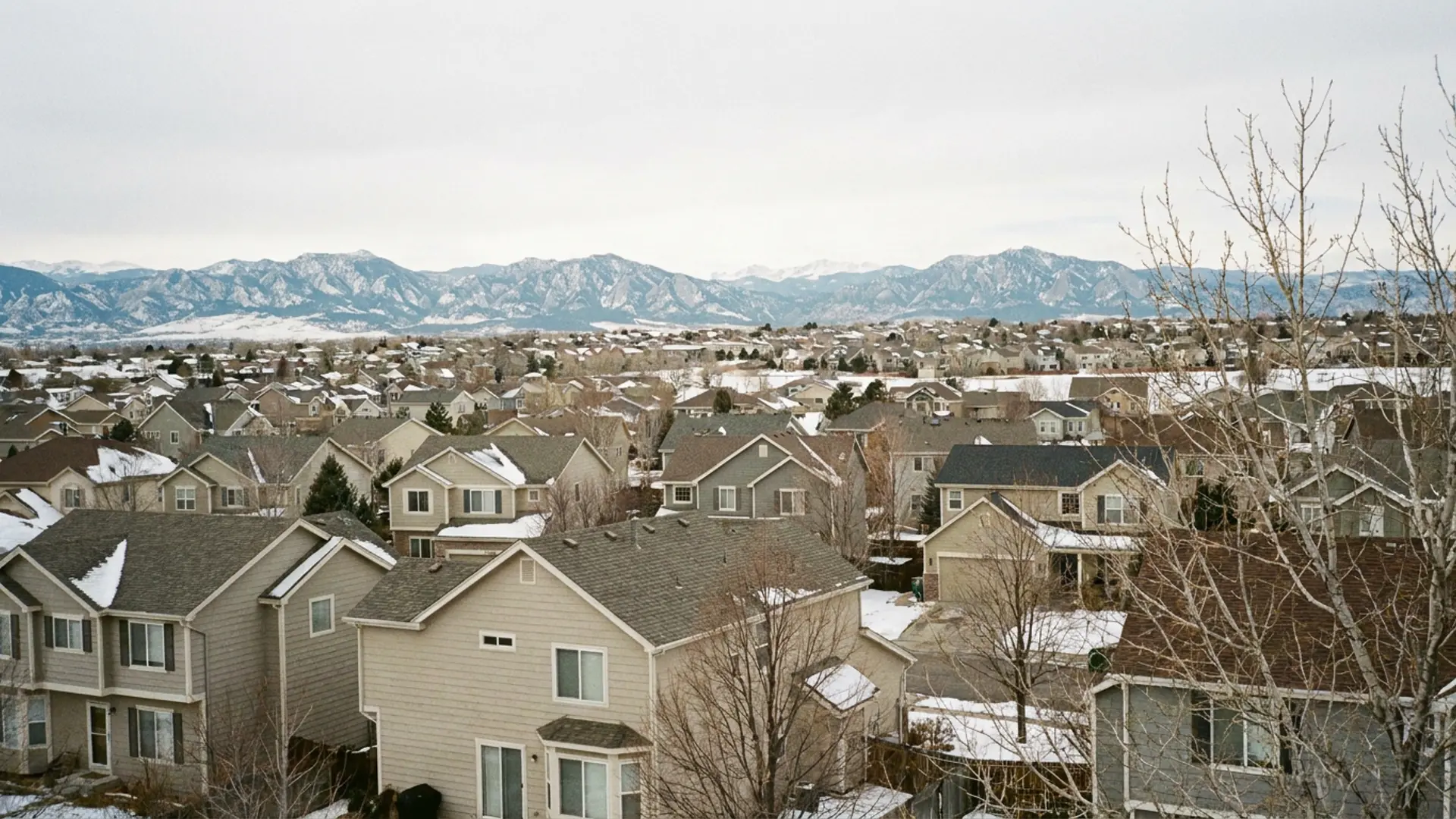
Denver, CO & the surrounding area
Denver Metro Service Areas
Furnace Installation Denver connects homeowners across the Denver metro with one independent, insured local heating professional for a free replacement estimate. Call (303) 226-1486. No call list, no obligation.
- Free replacement estimate
- Insured local pro
- No obligation
Free Furnace Estimate
A no-cost in-home estimate, with no obligation to buy
Insured Local Heating Professional
We connect you with one independent Denver-area business
Clear Sizing & Price Answers
Understand the options before you decide on a replacement
Location alone barely moves a furnace quote. Housing stock moves it a lot, and that's the thing worth understanding before anyone gives you a number.
The metro's cities were built in different decades, and the decade a house went up determines its ductwork, its venting, its size, and whether you're replacing an original furnace or its second replacement. Census ACS 2024 five-year data makes the spread obvious:
| City | Median home built | Largest construction decade |
|---|---|---|
| Denver | 1975 | pre-1939 (16.9%) |
| Arvada | 1979 | 1970s (25.6%) |
| Littleton | 1982 | 1980s (21.3%) |
| Aurora | 1985 | 1980s (23.9%) |
| Highlands Ranch | 1997 | 1990s (46.1%) |
| Thornton | 1997 | 2000s (26.2%) |
| Broomfield | 2002 | 2010s (28.8%) |
| Parker | 2004 | 2000s (34.0%) |
An Arvada house is on average 25 years older than a Parker house, and you can't quote them the same way. That's the single most useful thing to know going in.
The other metro-wide factor is elevation. Thornton sits near 5,350 feet, Parker near 5,870 — a 500-foot spread. Gas furnaces lose roughly 4% of rated capacity per 1,000 feet, so sizing has to account for it everywhere in this market.
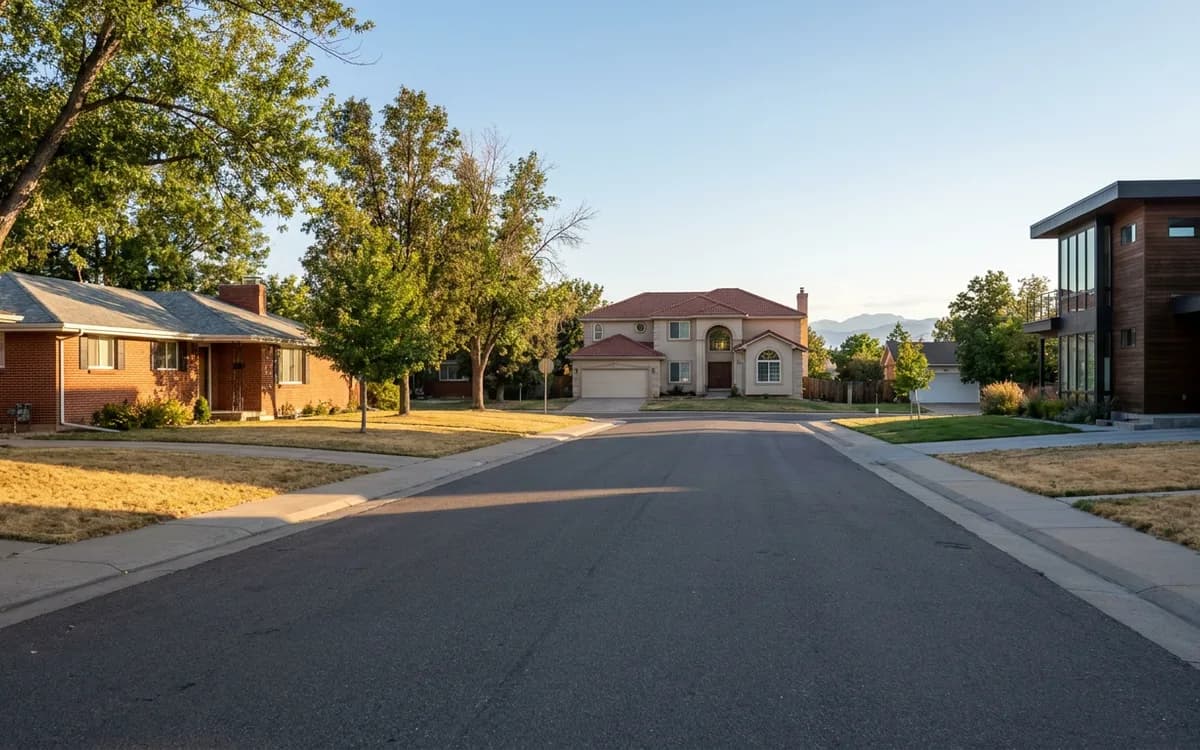
Cities with their own pages
These have enough distinct local detail to warrant it:
- Furnace replacement in Aurora — a city built in two waves, and permits through the City of Aurora across three counties
- Furnace replacement in Broomfield — newest stock in the metro, but the older Broomfield Heights core is a different job
- Furnace replacement in Thornton — 2000s growth over an older north-metro base
- Furnace replacement in Highlands Ranch — 46% of homes built in the 1990s, all aging out together
- Furnace replacement in Arvada — oldest stock we serve, and the 1970s ductwork question
- Furnace replacement in Parker — mostly first replacements on builder-installed equipment
- Furnace replacement in Littleton — the most spread-out housing stock in the metro
Denver
The city's median home dates to 1975, and 16.9% of Denver's housing predates 1939 — the largest single share, and far older than any suburb here.
Those pre-war homes in Wash Park, Congress Park, Baker, and the older north side were built before central forced air was standard. Many had heating systems added or converted over the decades, so the ductwork is often a patchwork rather than one designed system. Basements are frequently lower and tighter than in suburban homes, which affects both access and clearance around the equipment.
Denver also has a substantial 1950s slice — 12.3% — the postwar ranches that fill neighborhoods like Harvey Park and Virginia Village. Those have simpler ducts but are on a third or fourth furnace by now.
Permits go through the City and County of Denver, and the city's own mechanical contractor licensing applies.
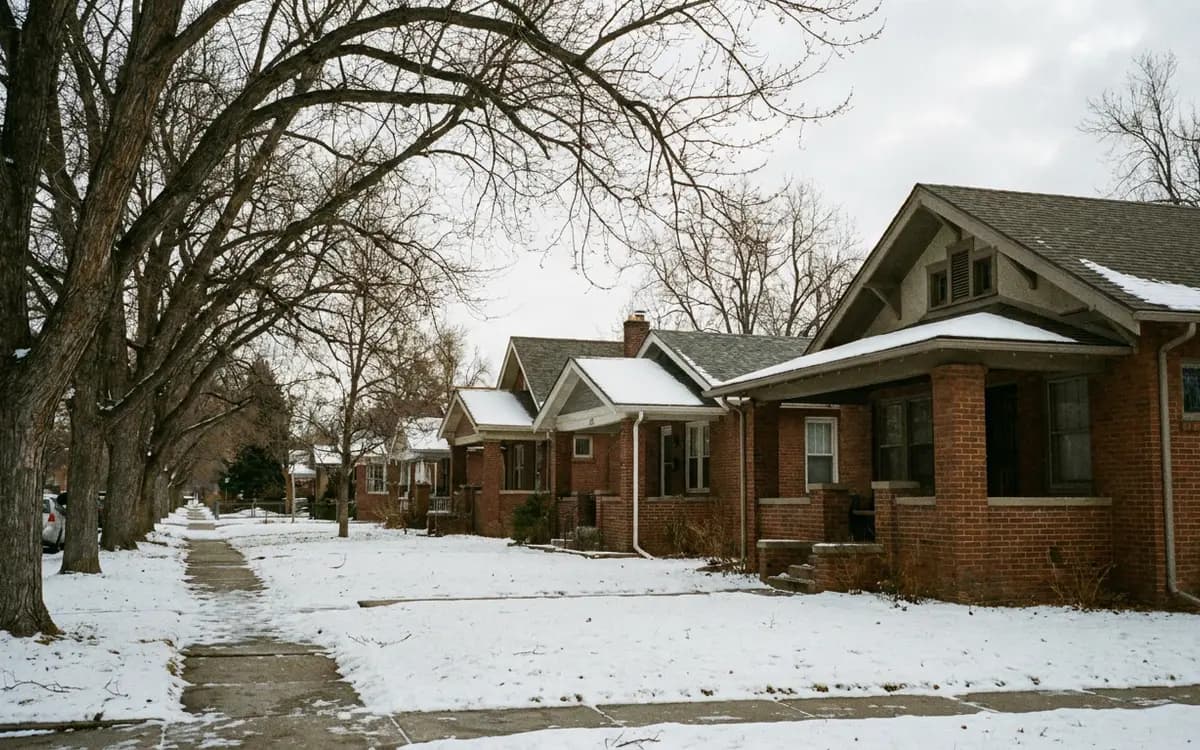
Westminster
Westminster tracks close to the metro middle: a mix of 1970s and 80s development with newer growth toward the north and west.
What that means in practice is that Westminster addresses land on either side of the venting question. Older homes typically vent up a metal flue, so converting to a 95% AFUE furnace means running new PVC to an exterior wall at $899 to $1,965. Newer homes often already have PVC in place, and high efficiency becomes a straightforward upgrade with no conversion cost.
Check which one you've got before you compare quotes — it explains a lot of the gap between them.
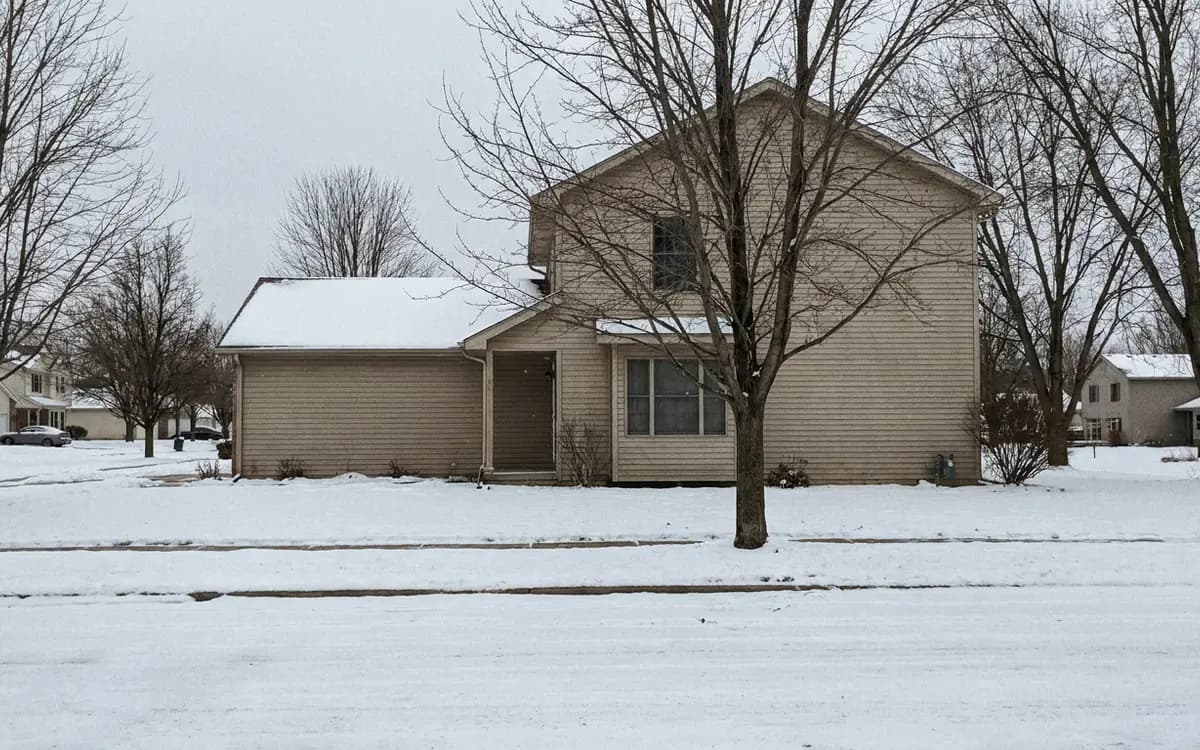
Lakewood
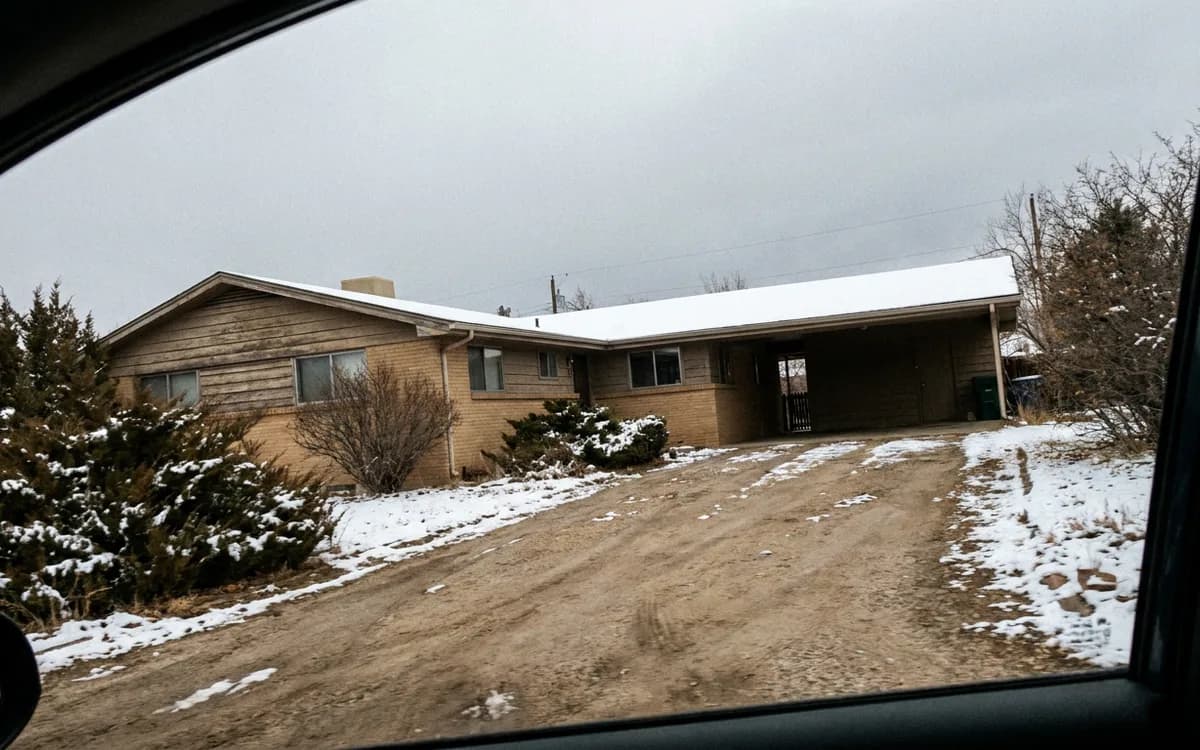
Lakewood is one of the older established suburbs on the west side, with a large share of mid-century and 1970s housing plus newer infill.
Ranch homes are common here, which usually means straightforward basement access and simpler duct runs than a multi-story house. The flip side is age. Ducts sized for a 1960s or 70s furnace may be undersized for the airflow a modern high-efficiency unit expects, and if they are, the new equipment can't perform the way it's rated to. Duct modification runs $1,600 to $5,550 and up if it's needed, and that's a number you want raised during the estimate rather than mid-installation.
Centennial, Wheat Ridge, Golden and Commerce City
We cover these too, and they aren't interchangeable either.
Centennial is largely 1980s and 90s development with a good share of larger homes, which pushes many into the 80,000 to 100,000 BTU range.
Wheat Ridge skews older, closer to Arvada's profile, with mid-century housing and the duct-age questions that come with it.
Golden sits higher than most of the metro, so the altitude derate bites harder — sizing accuracy matters more here than almost anywhere else we serve.
Commerce City mixes older north-metro housing with substantial newer development in Reunion and the northern subdivisions.
We also serve Castle Rock, Englewood, Northglenn, Lone Tree, Brighton, Greenwood Village, and the surrounding communities.
Permits: same requirement, different desks
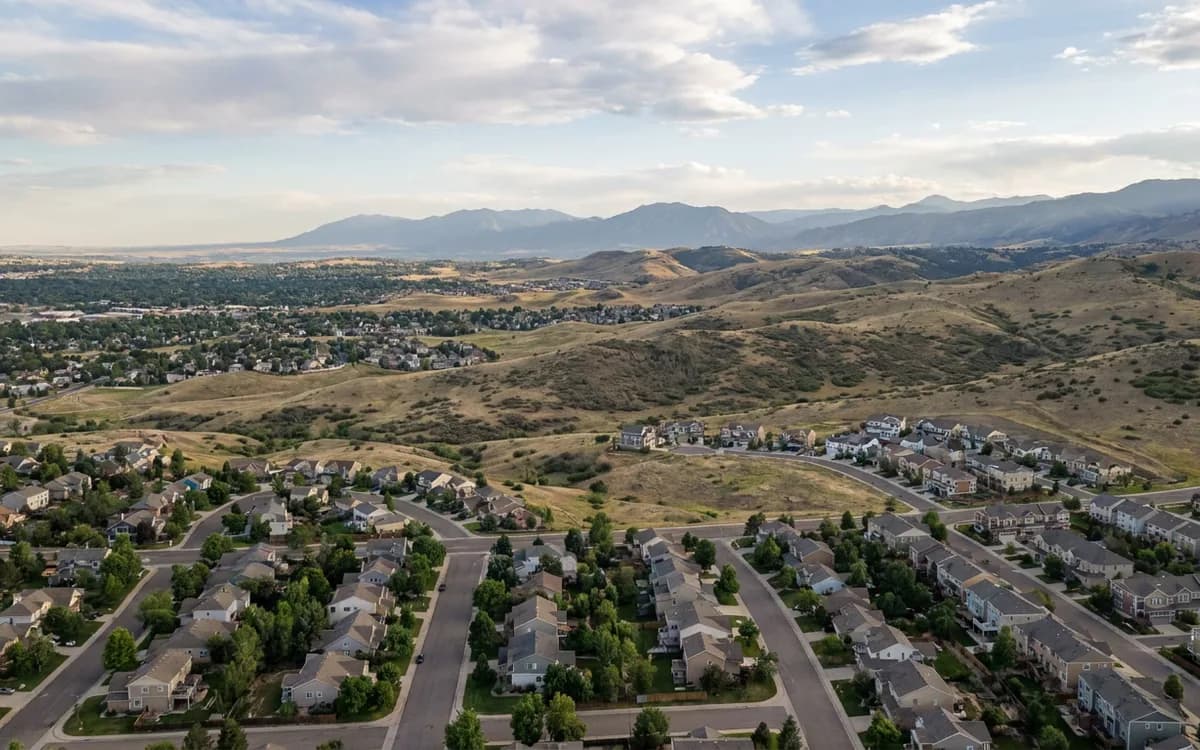
Every city in this metro requires a mechanical permit for a furnace replacement, typically $80 to $150, pulled by your contractor and appearing as a line on the quote. It triggers the inspection, which is the only independent verification of the gas connection and venting.
What changes is jurisdiction. Denver, Aurora, Thornton, Arvada, Westminster and Littleton have city building departments. Broomfield is a consolidated city and county. Highlands Ranch is unincorporated Douglas County. Parker runs its own division inside Douglas County. And some Littleton mailing addresses sit outside city limits in Arapahoe, Douglas, or Jefferson County.
A contractor who works your address knows which desk to start at. One who doesn't can lose you several days finding out.
Get an estimate wherever you are
Call (303) 226-1486 or send the form. One insured local heating professional will come out, measure, and put a written estimate in your hands.
Useful next: what furnace installation costs in Denver, repair or replace, and the local contractor directory if you'd rather compare companies yourself.
Questions
Frequently Asked Questions
What areas do you cover for furnace installation?
The Denver metro — Denver proper plus Aurora, Broomfield, Thornton, Highlands Ranch, Arvada, Parker, Littleton, Westminster, Lakewood, Centennial, Wheat Ridge, Golden, Commerce City and the surrounding communities. If you're on the edge of the metro, call and we'll tell you honestly whether we can connect you with someone.
Does the cost change depending on which suburb I'm in?
Not much by location itself, but a lot by housing stock. A 1970s Arvada home and a 2005 Parker home need different equipment and often different amounts of duct and venting work, and that's what moves the price. The metro-wide range is $6,300 to $8,650 for a standard-efficiency gas furnace with equipment and labor.
Do permit rules differ between Denver-area cities?
The requirement is consistent — a mechanical permit for a furnace replacement, typically $80 to $150, pulled by your contractor. What differs is which office issues it. Denver, Aurora, Thornton and Littleton have city building departments; Broomfield is a consolidated city and county; Highlands Ranch is unincorporated Douglas County. A contractor who works your area knows which desk to use.
Is altitude really a factor across the whole metro?
Yes, and it varies more than people expect. Thornton sits near 5,350 feet while Parker is near 5,870 — a 500-foot spread inside one metro. Gas furnaces lose roughly 4% of rated capacity per 1,000 feet, so a contractor working from sea-level tables will undersize a house anywhere in this market.
Can you help if I'm outside the Denver metro?
Sometimes, depending on how far out you are. Call (303) 226-1486 and we'll tell you straight whether we have someone who covers your address rather than taking your details and hoping. If we can't help, we'll say so.
Ready to get started?
Get connected with one local, insured heating professional. Honest sizing, a real number, and no obligation to buy.