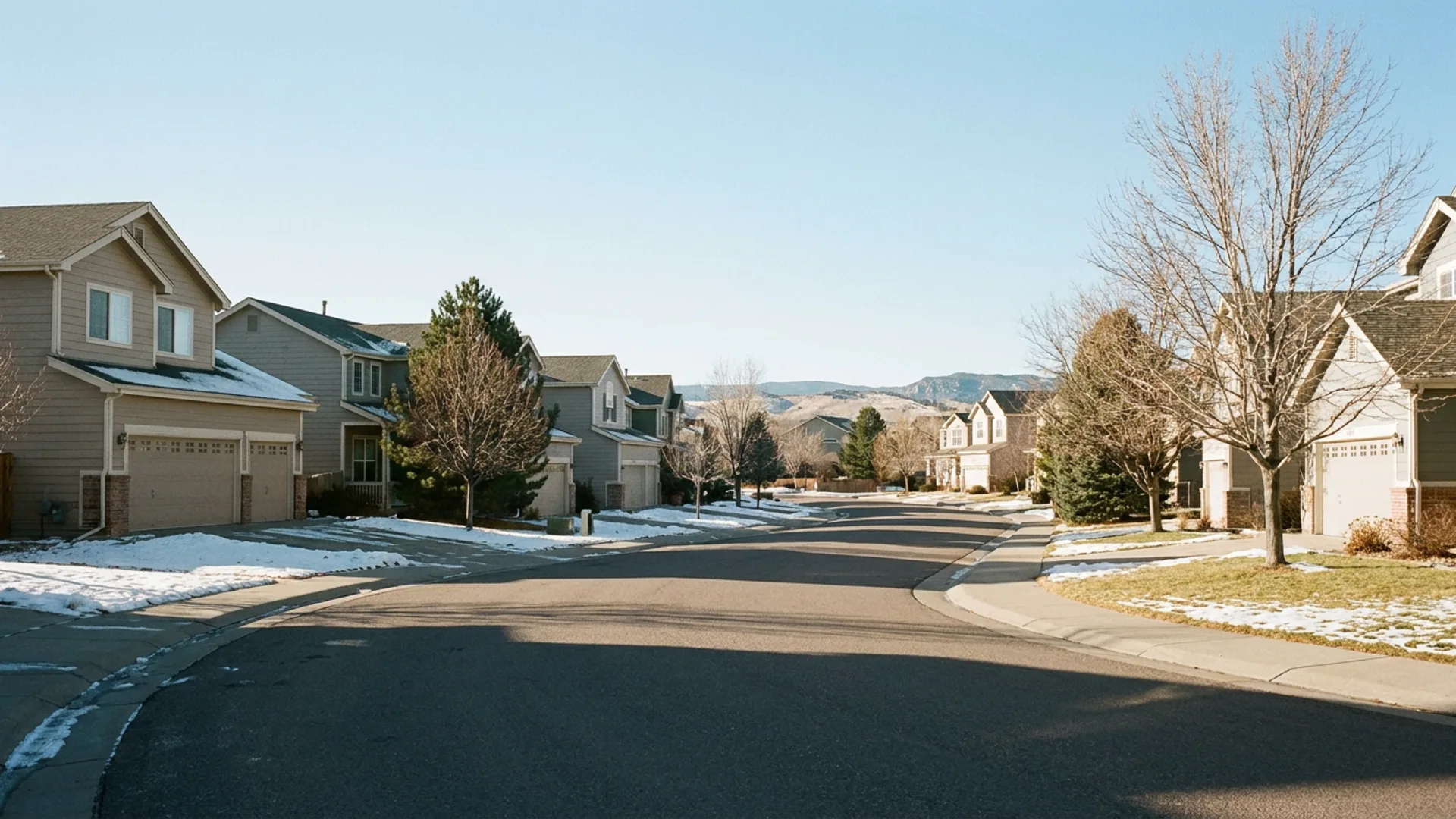
Denver, CO & the surrounding area
Furnace Replacement in Highlands Ranch
Furnace Installation Denver connects Highlands Ranch homeowners with one independent, insured local heating professional for a free replacement estimate. Call (303) 226-1486. No call list, no obligation.
- Free replacement estimate
- Insured local pro
- No obligation
Free Furnace Estimate
A no-cost in-home estimate, with no obligation to buy
Insured Local Heating Professional
We connect you with one independent Denver-area business
Clear Sizing & Price Answers
Understand the options before you decide on a replacement
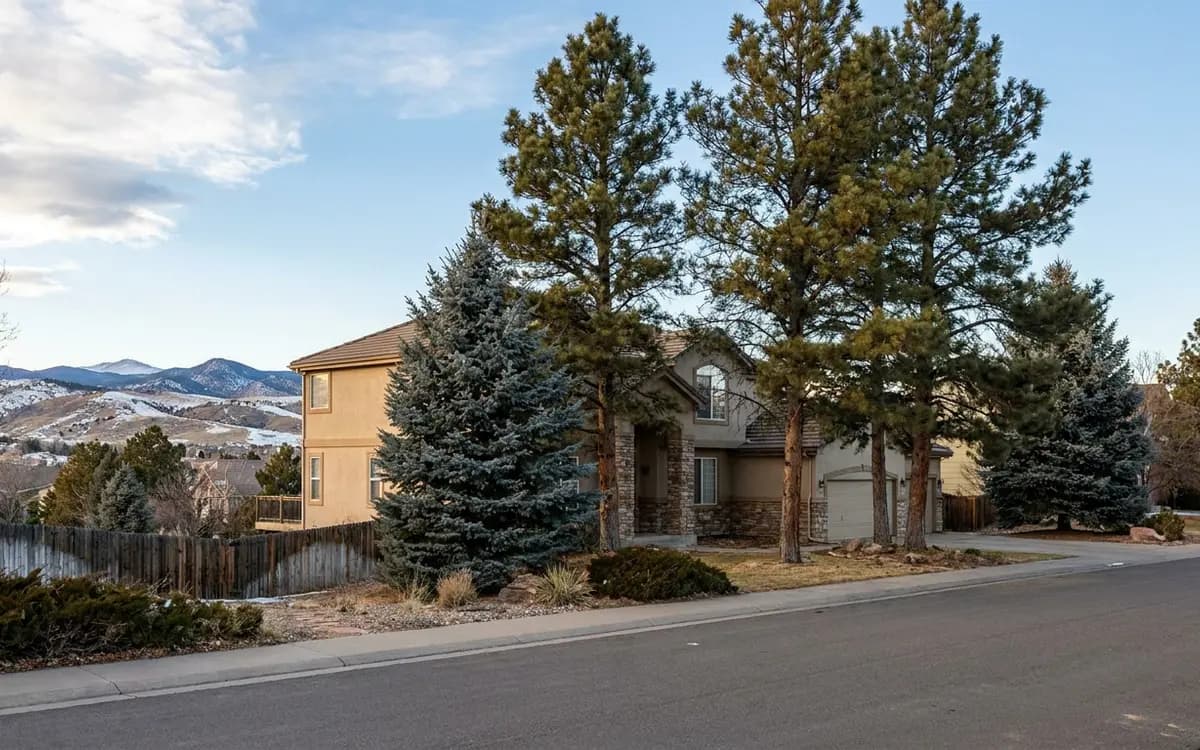
Highlands Ranch has an unusual housing profile, and it matters for exactly this decision.
46% of every housing unit in Highlands Ranch was built during the 1990s — Census ACS 2024 five-year estimates, 18,244 of 39,551 units. Add the 2000s and you've accounted for roughly 72% of the community. The median home here was built in 1997.
Almost nowhere else in the metro is that concentrated. Aurora's biggest decade is 24% of its stock; Littleton's is 21%. Highlands Ranch put nearly half its homes up in ten years.
For furnaces, that means a synchronized replacement wave. A furnace installed in a 1995 build is around 30 years old now — well past the 15-to-20-year design life of a gas furnace. If yours is original and still running, it isn't unusual for the neighborhood and it isn't a sign you neglected anything. It's a cohort reaching the end of its life at the same time.
The practical consequence: when a hard cold snap hits, a lot of these houses call at once, and the metro's heating companies book out. If your furnace is original and you have the option, deciding in October beats deciding in January.
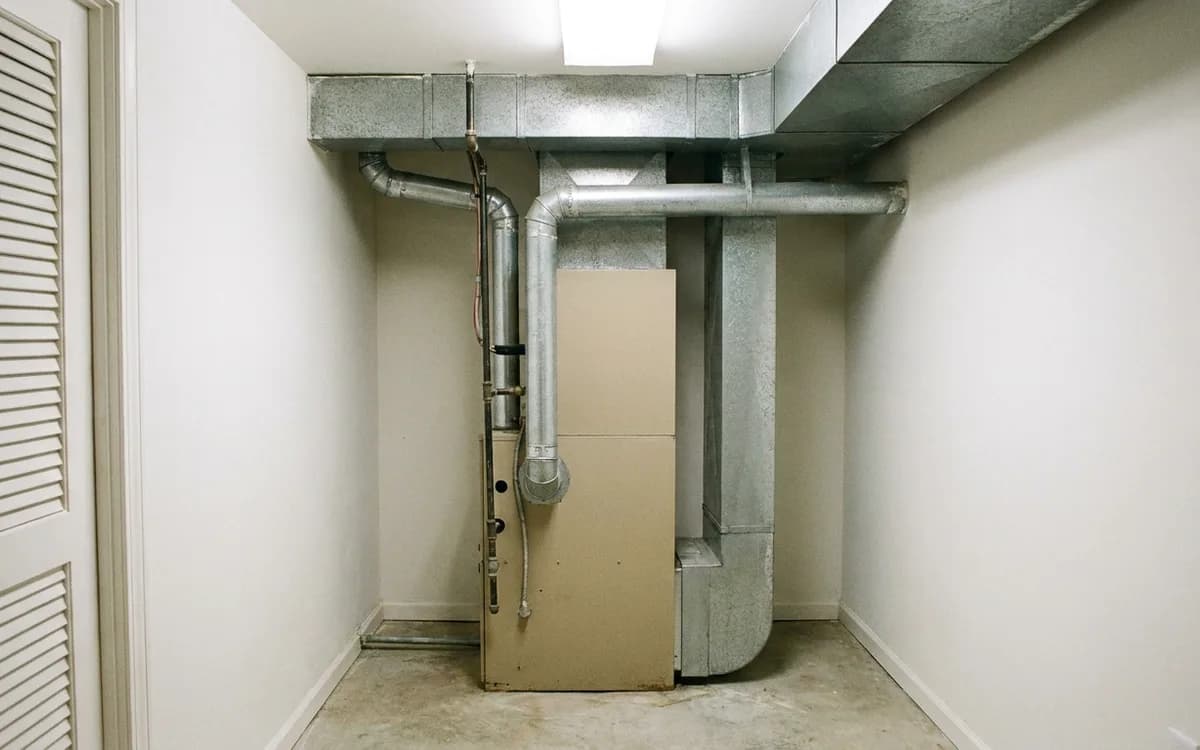
What a 1990s Highlands Ranch furnace usually is
Original equipment from that construction era is typically a mid-efficiency gas furnace — commonly in the 78% to 80% AFUE range — venting into a metal flue.
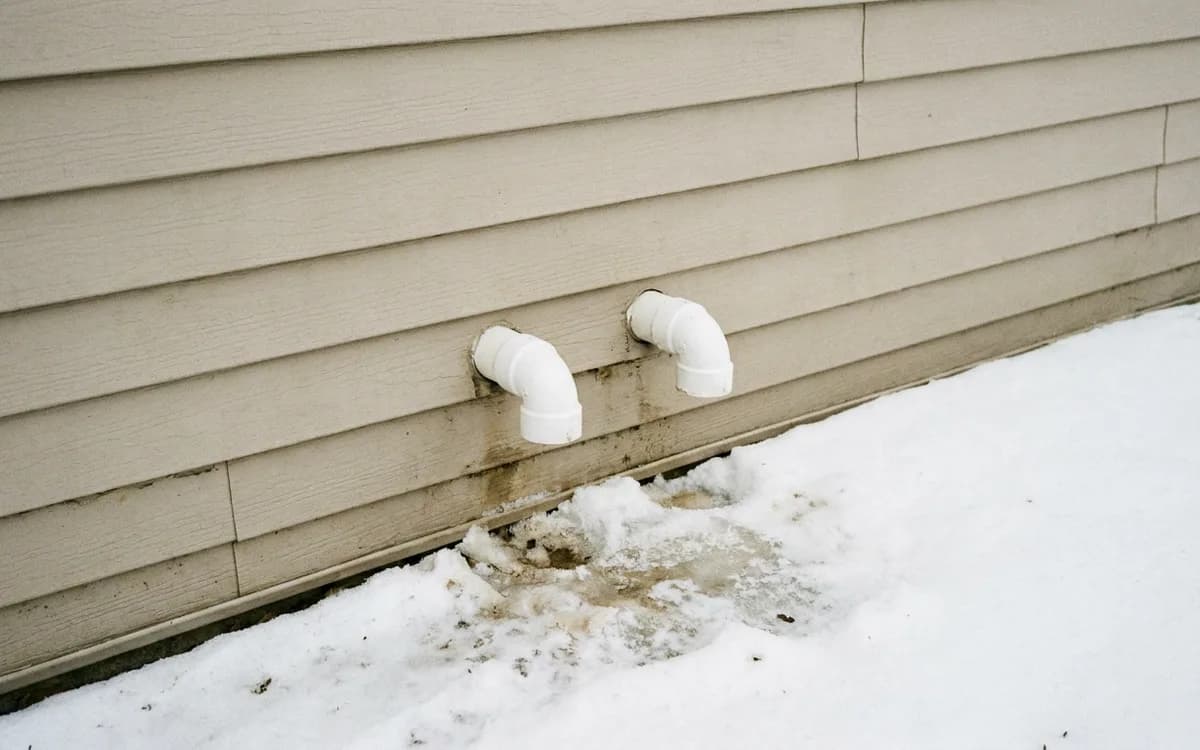
Two things follow from that. First, roughly 20% of the gas you buy goes up the flue rather than into the house; a 95% AFUE replacement cuts heating gas use by about 15%. Second, converting to high efficiency means new venting. A condensing furnace produces cool, acidic exhaust and cannot use the existing metal flue — it needs PVC pipe run to the exterior, which is $899 to $1,965 on top of the unit.
Homes here also tend to be larger than the metro average, which pushes many into the 80,000 to 100,000 BTU range: roughly $6,850 to $10,350 installed depending on efficiency.
One local factor worth naming. Highlands Ranch sits near 5,695 feet — over 400 feet above Denver proper — and gas furnaces lose roughly 4% of rated capacity per 1,000 feet. A contractor who derates for altitude sizes the unit correctly; one working off sea-level tables leaves you undersized on the coldest mornings. Ask how they calculated it.
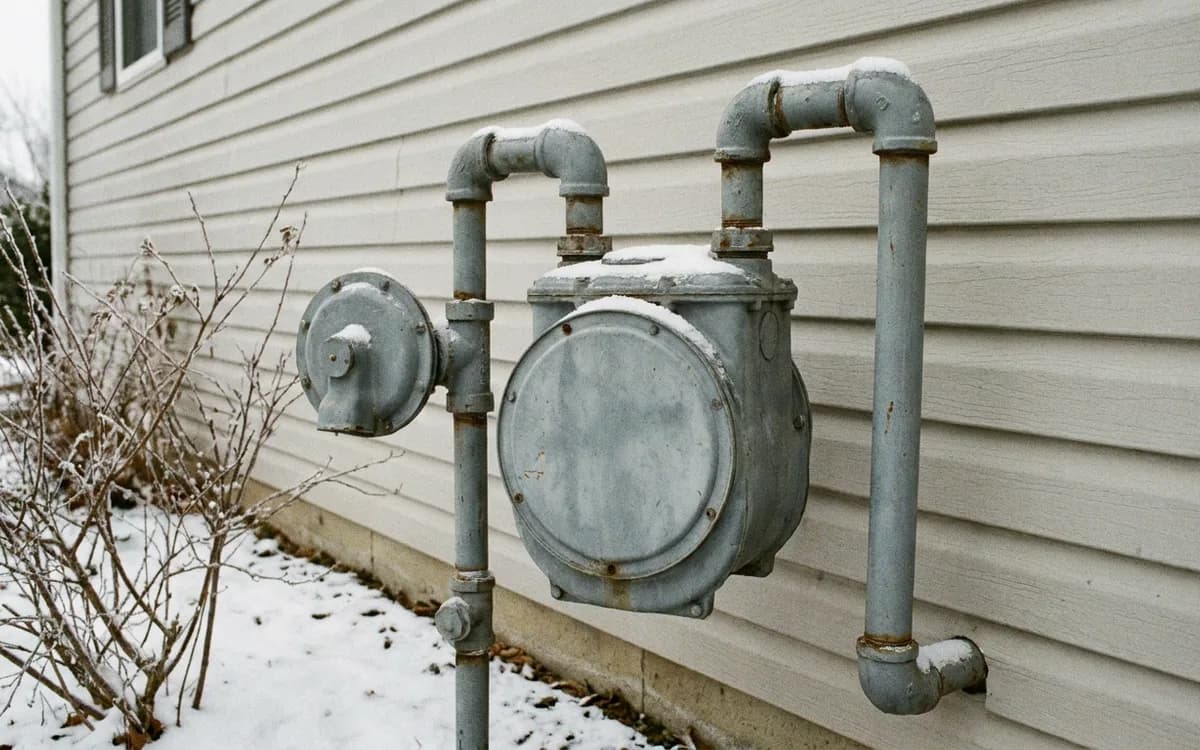
HOA rules that affect the job
Highlands Ranch is a master-planned community, and the Highlands Ranch Community Association governs a great deal of what's visible from outside.
The furnace itself is indoors and not an HOA concern. What can be is anything the installation puts on your exterior: PVC vent terminations through a side wall on a high-efficiency conversion, or a condenser pad if you're weighing a heat pump. Some covenants address exterior penetrations, equipment screening, and placement.
Check before installation day rather than after. It rarely blocks anything, but discovering a placement rule while a technician is standing in your driveway is an avoidable problem.
Permits go through Douglas County, since Highlands Ranch is unincorporated rather than a municipality — a small difference from Denver or Littleton, but it means the county building department handles the mechanical permit and inspection.
Getting the sizing right the second time
A 30-year-old furnace was sized for the house as built. Since then many of these homes have added insulation, replaced windows, or finished a basement — all of which change the heating load.
Replacing like-for-like on capacity is the common mistake. A house that's been tightened up needs less furnace than it did in 1995, and an oversized unit short-cycles: it heats fast, shuts off, restarts a few minutes later, produces uneven rooms, and wears out the ignitor and blower ahead of schedule.
Ask for a load calculation rather than a match to the old nameplate. If a basement got finished, say so — that's conditioned square footage the original furnace never accounted for.
What the job looks like
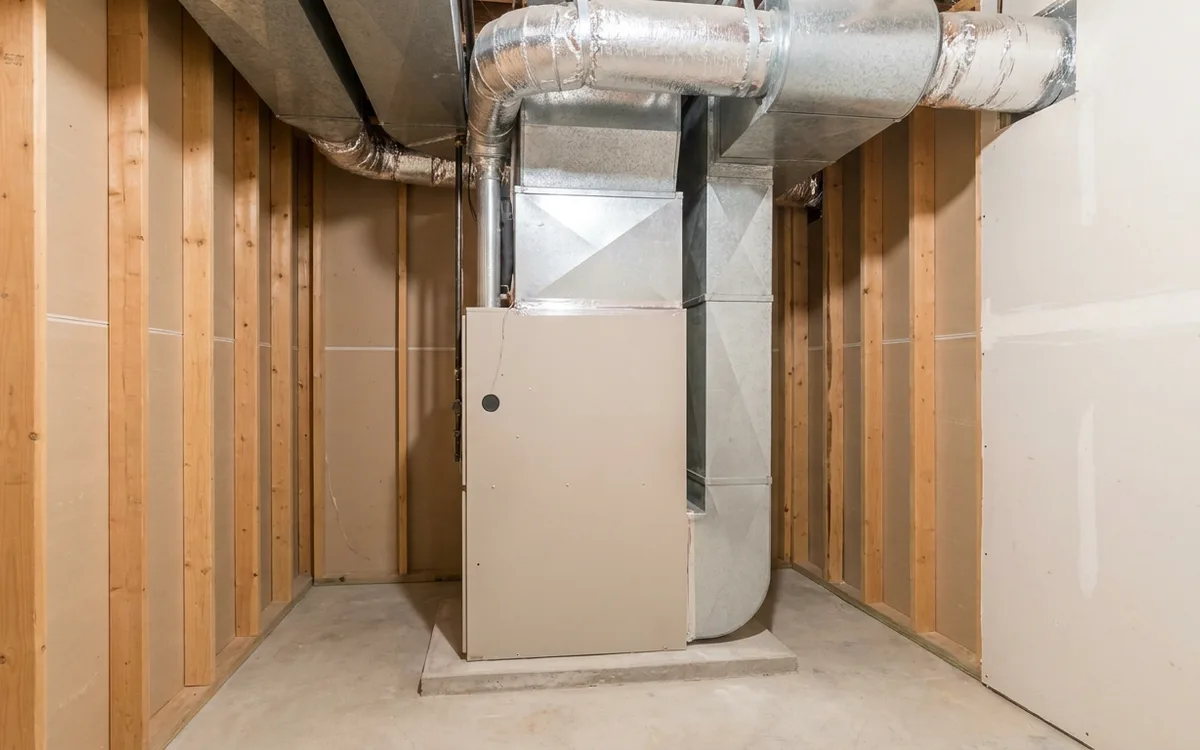
Most replacements are one full day. The old unit comes out, the new one is set and connected to existing ductwork, gas, and electrical, and the venting is either reconnected or rebuilt for high efficiency. The county inspection follows within a few days.
It runs to two days when venting changes or ductwork needs rework. Furnaces in tight utility closets — common in this housing stock — add labor at both ends.
The full cost breakdown covers size and efficiency tables and what belongs in a quote. If you're not certain replacement is the answer yet, repair or replace works through it, and Xcel's rebates covers the $225 that a 95% unit earns.
Get an estimate for your house
Call (303) 226-1486 or send the form. One insured local heating professional will measure, check your ductwork and venting, and put a written estimate in your hands. If your furnace has more life in it, that's what you'll hear.
We also serve Littleton, Parker, Aurora, and the rest of the Denver metro.
Questions
Frequently Asked Questions
How much does furnace replacement cost in Highlands Ranch?
Expect $6,300 to $8,650 for a standard-efficiency gas furnace with equipment and labor, and roughly $7,400 as a typical middle. Highlands Ranch homes skew larger than the metro average, so many need an 80,000 to 100,000 BTU unit — that puts the range closer to $6,850 to $10,350 depending on efficiency and how the venting has to be handled.
Why do so many Highlands Ranch furnaces need replacing at once?
Because the neighborhood was built at once. Census ACS data puts 46% of all housing units in Highlands Ranch in the 1990s, with another 26% in the 2000s. Original furnaces from a 1995 build are now around 30 years old — past the 15-to-20-year design life — so the replacement wave arrives on the same schedule the construction did.
Does my Highlands Ranch HOA restrict furnace work?
The furnace itself is inside your home and isn't an HOA matter. What can be is anything visible outside — new PVC vent terminations through a side wall when converting to a high-efficiency furnace, or an outdoor unit if you're considering a heat pump. Check your covenants before installation day, since some communities have rules about exterior penetrations and equipment placement.
Do I need a permit to replace a furnace in Highlands Ranch?
Yes. Highlands Ranch is unincorporated Douglas County, so mechanical permits go through Douglas County rather than a city building department. Your contractor pulls it and it should appear as a line on the quote — typically $80 to $150 in the metro. The permit triggers the inspection, which is your only independent check on the gas and venting work.
My Highlands Ranch home has a furnace in a closet, not a basement. Does that change anything?
It can affect labor. Utility closets and tight mechanical rooms make removal and installation slower than an open basement, and clearance requirements around the unit still have to be met. It's worth pointing out when you request an estimate so the quote reflects the real access rather than an assumption.
Is a high-efficiency furnace worth it in a 1990s Highlands Ranch home?
Often yes, because most of these homes are large enough that a 15% reduction in gas use is meaningful, and you're likely staying long enough to see it. The catch is venting: a 95% AFUE condensing furnace can't reuse the existing metal flue and needs PVC run outside, adding $899 to $1,965. It also qualifies for Xcel's $225 rebate.
Ready to get started?
Get connected with one local, insured heating professional. Honest sizing, a real number, and no obligation to buy.