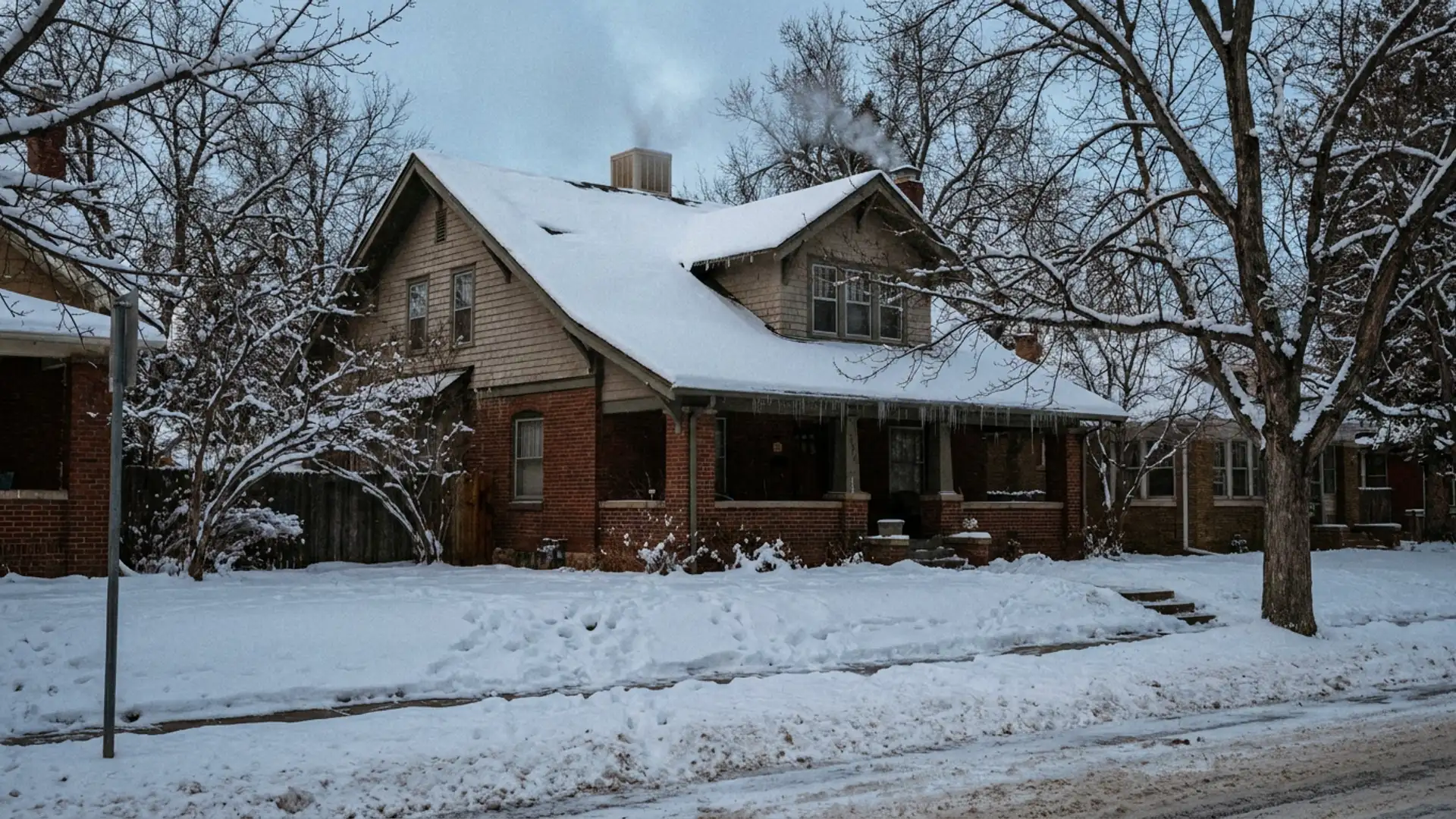
Denver, CO & the surrounding area
Colorado Low-NOx Furnace Rules and Denver Permits
Furnace Installation Denver explains Colorado's low-NOx furnace rules for Denver homeowners: the standard took effect January 1, 2026. In practice it's the contractor's obligation rather than yours, but you should know what it requires, where the exemption sits, and what Denver's permit rules add. For a free estimate from one insured local heating professional, call (303) 226-1486.
- Free replacement estimate
- Insured local pro
- No obligation
Free Furnace Estimate
A no-cost in-home estimate, with no obligation to buy
Insured Local Heating Professional
We connect you with one independent Denver-area business
Clear Sizing & Price Answers
Understand the options before you decide on a replacement
The rule comes from House Bill 23-1161, codified in Colorado Revised Statutes part 25-7-15. The operative language, at CRS 25-7-1504(1)(c):
On and after January 1, 2026, a person shall not manufacture, distribute, sell, offer for sale, lease, or offer for lease in Colorado any new fan-type central furnace unless emissions do not exceed fourteen nanograms of NOx per joule.
Two definitions matter. A fan-type central furnace is a self-contained space heater that circulates heated air through ducts longer than ten inches — that's essentially every forced-air residential furnace. And the scope at CRS 25-7-1503(1)(b) covers units that run on single- or three-phase electric supply, are used for comfort heating, and have a rated heat input under 175,000 BTU per hour. Residential furnaces top out around 120,000 BTU, so every home furnace is inside the rule.
There's also a compliance shortcut at CRS 25-7-1504(2): equipment certified to the current ENERGY STAR program for its type is deemed to comply.
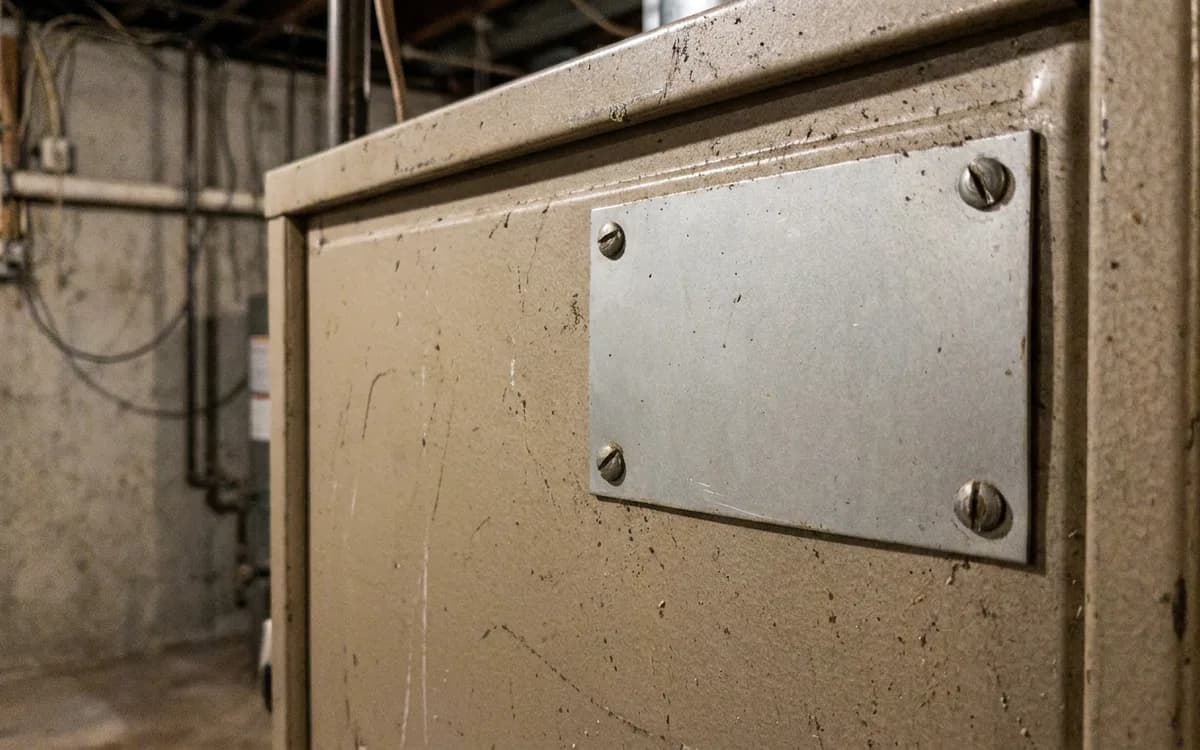
Why Colorado did this
NOx is nitric oxide plus nitrogen dioxide, produced whenever fuel burns hot enough. It's a primary ingredient in ground-level ozone.
The Denver metro and North Front Range have failed federal ozone standards for years, and the region has been reclassified to progressively more serious nonattainment categories. Vehicles and oil and gas get most of the attention, but residential combustion is a genuine contributor — a couple million furnaces and water heaters running through a Front Range winter add up.
You don't have to agree with the policy to plan around it. The standard is in effect.
The inventory exemption worth knowing about
Here's the detail most homeowner-facing pages skip, and it's the one that can actually affect your purchase.
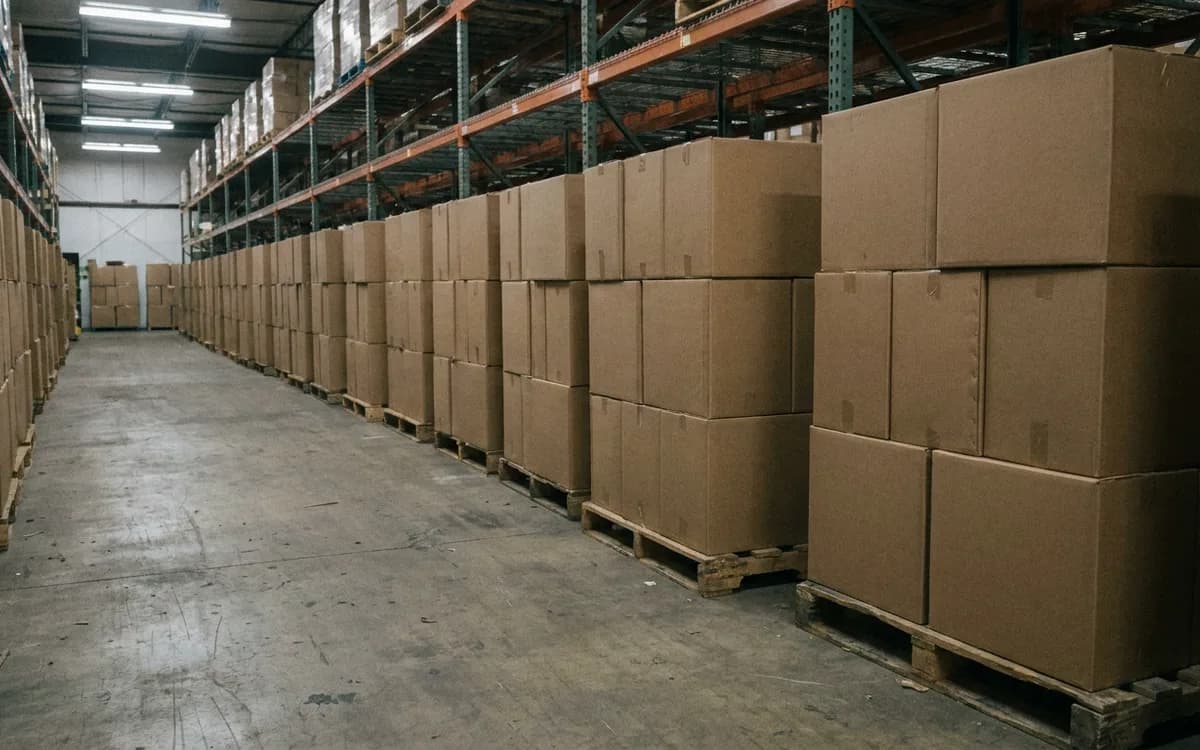
CRS 25-7-1503(2)(a) exempts "products held in inventory in Colorado on the effective date of the applicable standard." A furnace already sitting in a Colorado warehouse before January 1, 2026 can still legally be sold and installed today, even if it doesn't meet the 14 ng/J limit.
That's not a scandal — it's a normal transition provision so distributors aren't stuck with unsellable stock. But it does mean not every furnace installed in Denver right now is a low-NOx unit, and old inventory tends to be discounted.
If a quote comes in unusually low, that may be why. It isn't automatically a bad deal — a pre-2026 unit is a legal, functional furnace. Just ask directly whether the model meets the current standard and get the answer written on the quote, so you're choosing knowingly rather than discovering it later.
Three other exemptions, for completeness: equipment installed in manufactured homes at time of construction, equipment designed for recreational vehicles, and products that don't burn fossil fuels.
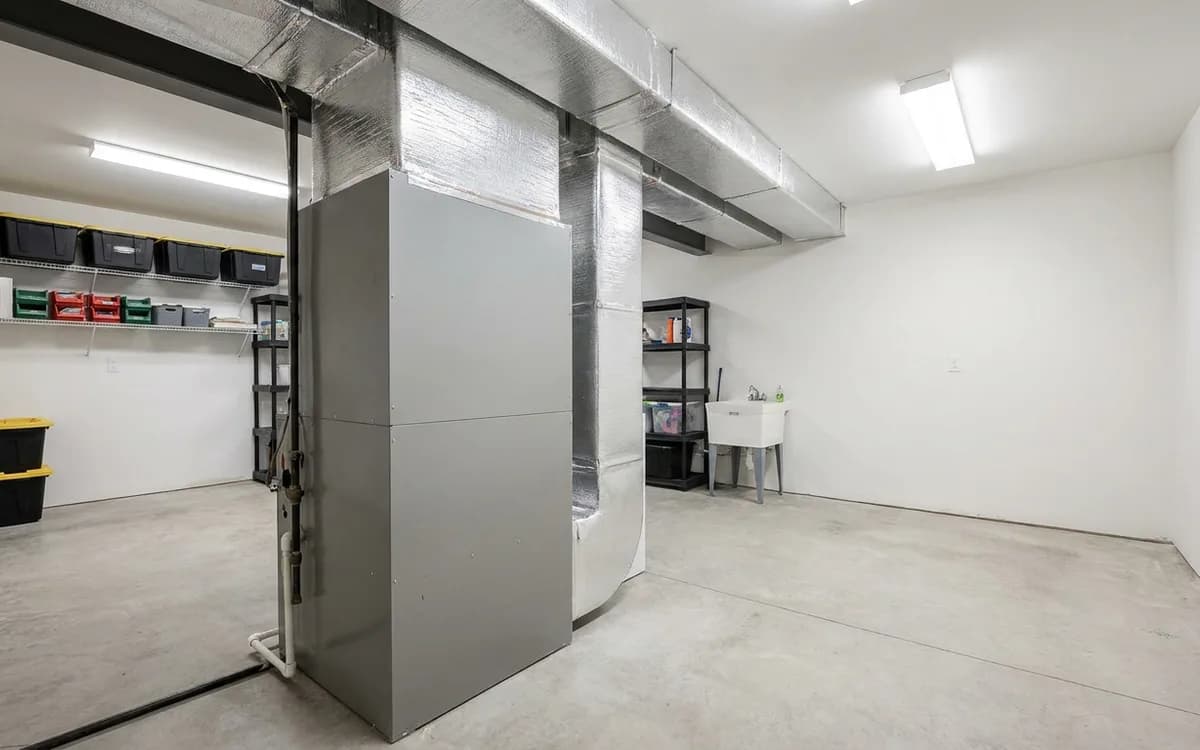
Denver permits and who pulls them
Separate from the state emissions rule, and this one has teeth locally.
A furnace replacement in Denver requires a mechanical permit. Your contractor pulls it, and it should appear on your quote as a line item at roughly $80 to $150 across the metro. The permit triggers an inspection after the work.
That inspection is the only independent check that anyone verified the gas connection, the venting, and the combustion air. You're not qualified to check it and neither is the contractor who did the work — the inspector is the outside set of eyes. Anyone offering to skip the permit to save you a hundred dollars is offering to remove your only safety net on a gas appliance.
It matters later too. An unpermitted mechanical installation can surface at resale, where it may need disclosure, inspection, or correction at your expense.
Permit authority follows the address rather than the mailing city. Denver proper goes through the City and County of Denver. Aurora goes through the City of Aurora regardless of which of its three counties you're in. Broomfield is a consolidated city and county. Highlands Ranch is unincorporated Douglas County. Some Littleton addresses are county rather than city. A contractor who works your area knows which desk to start at.
Licensing: what Colorado does and doesn't do
This surprises people, so it's worth stating plainly.
Colorado does not issue a statewide HVAC or mechanical contractor license. The Department of Regulatory Agencies licenses electricians, plumbers, and radon professionals — heating and air conditioning isn't on that list.
Denver licenses mechanical contractors at the city level, which requires holding or employing someone with a supervisor certificate obtained by examination.
So "we're licensed and insured" is a weaker statement in this trade than it sounds. The specific question is: what's your Denver mechanical contractor license number, and can I have your certificate of insurance? Someone who does this weekly answers both immediately.

What to actually ask your contractor
Four questions, all reasonable, all answerable on the spot:
- Does this model meet the 14 ng/J low-NOx standard? Get the model number and the answer in writing.
- Is the permit included in this price, and are you pulling it?
- What's your local mechanical contractor license number?
- Is this current-production equipment or pre-2026 inventory? Either is legal. You just want to know which you're buying.
A contractor who answers all four without friction is telling you something useful about how the rest of the job will go.

Get a compliant quote
Call (303) 226-1486 or send the form. One insured local heating professional will quote equipment that meets the current standard and pull the permit as part of the job.
More detail: furnace installation cost in Denver, high-efficiency furnaces, and Xcel's $225 rebate.
Statutory citations reflect HB23-1161 as codified at CRS 25-7-1503 through 25-7-1506, reviewed August 2026. This is general information, not legal advice — verify current requirements with your contractor or your local building department.
Questions
Frequently Asked Questions
Do I have to buy a low-NOx furnace in Colorado now?
New fan-type central furnaces sold or installed in Colorado on or after January 1, 2026 must emit no more than 14 nanograms of NOx per joule, under HB23-1161 as codified at CRS 25-7-1504. It applies to units under 175,000 BTU per hour used for comfort heating — which covers essentially every residential furnace. Compliance is the manufacturer's and contractor's responsibility, not something you have to source yourself.
What is NOx and why does Colorado regulate it?
NOx is the combined nitric oxide and nitrogen dioxide produced when fuel burns hot. It's a primary ingredient in ground-level ozone, and the Denver metro and North Front Range have persistently struggled with ozone standards. Reducing NOx from furnaces and water heaters is one lever the state chose to pull.
Does the low-NOx rule make furnaces more expensive?
Manufacturers redesigned burners to meet the limit, and any cost is built into current equipment pricing rather than appearing as a separate line. Denver installations still run $6,300 to $8,650 for a standard-efficiency gas furnace. You won't see a 'low-NOx surcharge' on a legitimate quote.
Can a contractor still install a non-compliant furnace?
There's a real exemption: the statute doesn't apply to products already held in inventory in Colorado on the standard's effective date. So a unit that was sitting in a warehouse before January 1, 2026 can still legally be sold and installed. That's worth knowing — if you're offered an unusually cheap furnace, ask whether it meets the 14 ng/J limit and get the answer in writing.
Do I need a permit to replace a furnace in Denver?
Yes. A furnace replacement requires a mechanical permit from the City and County of Denver, and your contractor pulls it. Expect $80 to $150 as a line item on the quote. The permit triggers an inspection, which is the only independent verification that the gas connection and venting were done correctly.
Is my HVAC contractor licensed by the State of Colorado?
No — Colorado does not issue a statewide HVAC or mechanical contractor license. The state licenses electricians, plumbers, and radon professionals. Denver licenses mechanical contractors at the city level, which requires holding or employing someone with a supervisor certificate. So ask for the Denver license number rather than accepting 'licensed' as a general claim.
Does an ENERGY STAR furnace automatically comply?
Under CRS 25-7-1504(2), equipment certified to the most recent version of the ENERGY STAR program for its equipment type is deemed to comply with the NOx limit. That's a useful shortcut, though you should still get the specific model and its compliance confirmed in writing on your quote.
What happens if my furnace was installed without a permit?
It can surface when you sell — an unpermitted mechanical installation may need to be disclosed, inspected, or brought up to code, sometimes at your cost. It also means no inspector ever independently verified the gas and venting work. If you're not sure whether a past installation was permitted, Denver's records can tell you.
Ready to get started?
Get connected with one local, insured heating professional. Honest sizing, a real number, and no obligation to buy.