Denver, CO & the surrounding area
Furnace and AC Replacement in Denver
Furnace Installation Denver connects Denver-area homeowners with one independent, insured local heating professional who will price furnace and AC replacement honestly — including telling you when you only need half of it. Call (303) 226-1486.
- Free replacement estimate
- Insured local pro
- No obligation
Free Furnace Estimate
A no-cost in-home estimate, with no obligation to buy
Insured Local Heating Professional
We connect you with one independent Denver-area business
Clear Sizing & Price Answers
Understand the options before you decide on a replacement
There are three situations where doing the furnace and air conditioner together is the right call, and one where it isn't.
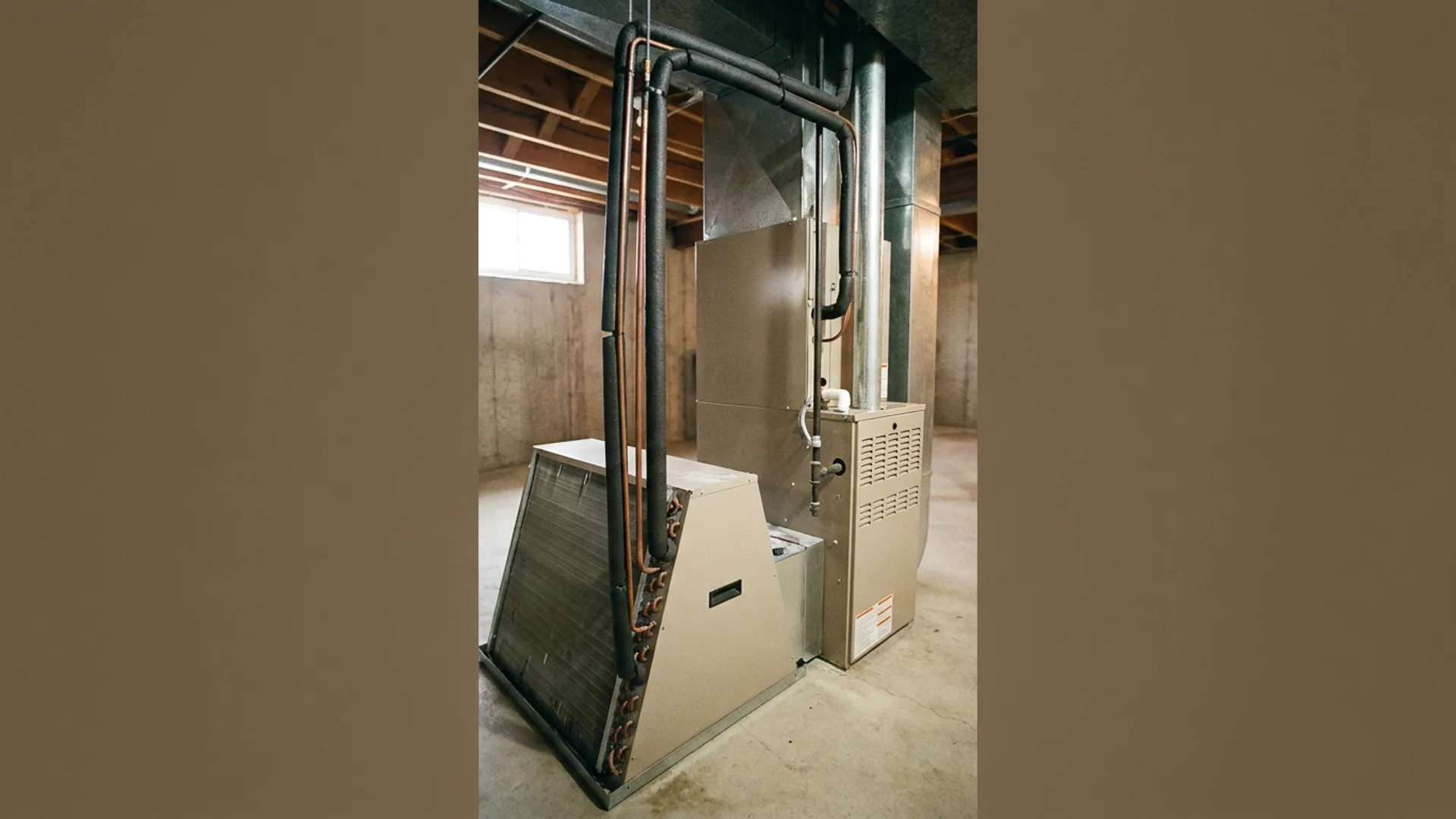
Both are near end of life. Gas furnaces run 15 to 20 years; central air conditioners are similar, often a little less in a climate with hot dry summers. If they were installed together — which they were, in most Denver homes — they age together. Replacing one and returning for the other in eighteen months means paying twice for the same access work.
The furnace died and the AC is 12+ years old. This is the most common version. You're already committed to an installation, the technician is already in the mechanical space, and the incremental cost of the second system is lower than it would be standalone.
You're changing efficiency tiers or fuel. If you're converting the furnace to a 95% AFUE condensing unit, or weighing a heat pump, the whole system's design changes. Doing it piecemeal risks a mismatch you'll pay to correct later.
When it doesn't make sense: your AC is under about eight years old and working. There's no efficiency argument strong enough to justify tearing out equipment with a decade of life in it. A contractor who pushes a full system replacement in that situation is selling, not advising.
What you actually save doing it together
The savings are real but they're in labor, not equipment. The equipment costs what it costs.
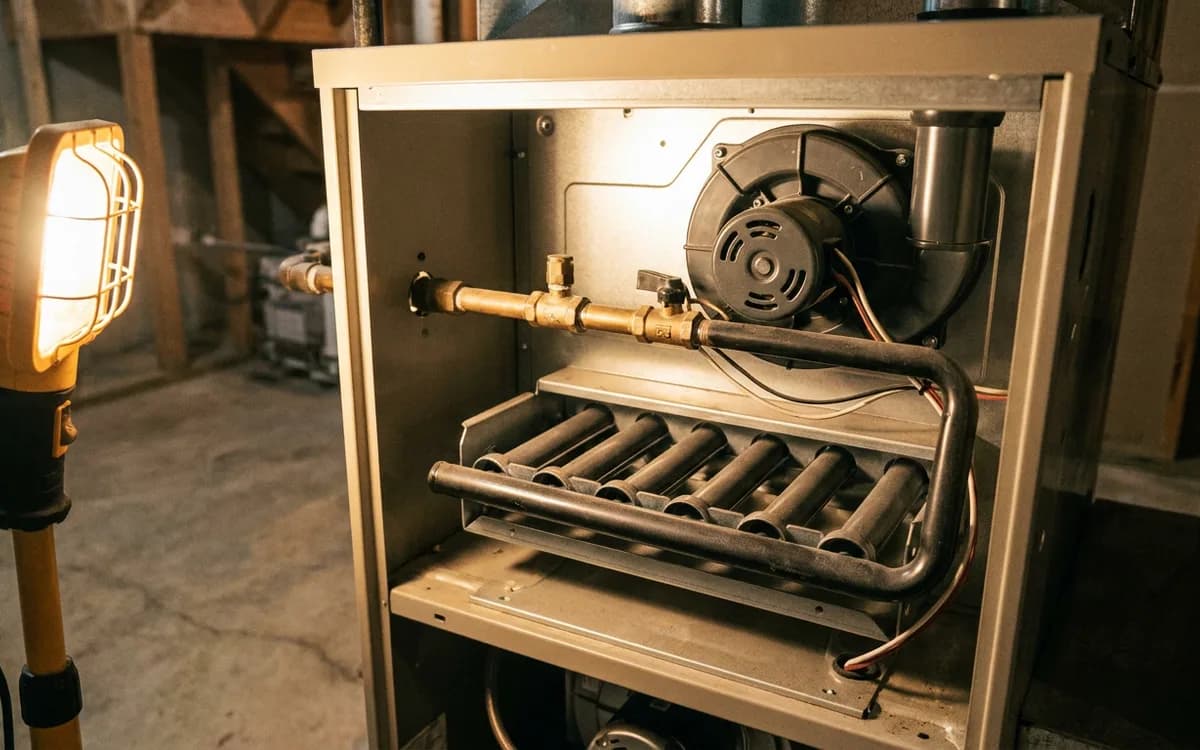
What you avoid paying twice for: mobilization and access, the sheet metal and plenum work where the coil meets the furnace, the condensate drain, electrical connections, permit coordination, and the second day of two technicians' time.
What you don't save on: the furnace itself, the condenser, the coil, the refrigerant line set if it needs replacing, or the permit if your jurisdiction requires separate mechanical permits.
A furnace alone runs $6,300 to $8,650 installed in Denver. Combined replacement lands in the low-to-mid five figures depending on capacity, efficiency tier, and how much of the existing infrastructure is reusable.
Ask for it quoted both ways — as one project, and as two separate projects a year apart. The gap is the actual saving, and it lets you decide with a number instead of a claim.
The matched-system argument, honestly
You will hear that furnace, coil, and condenser must be a matched set. The claim is legitimate and it gets oversold, so here's where the line is.
True: a high-efficiency condenser paired with an old, undersized evaporator coil will not deliver its rated SEER. The system performs to its weakest component. If you're buying an efficient AC, the coil has to suit it.
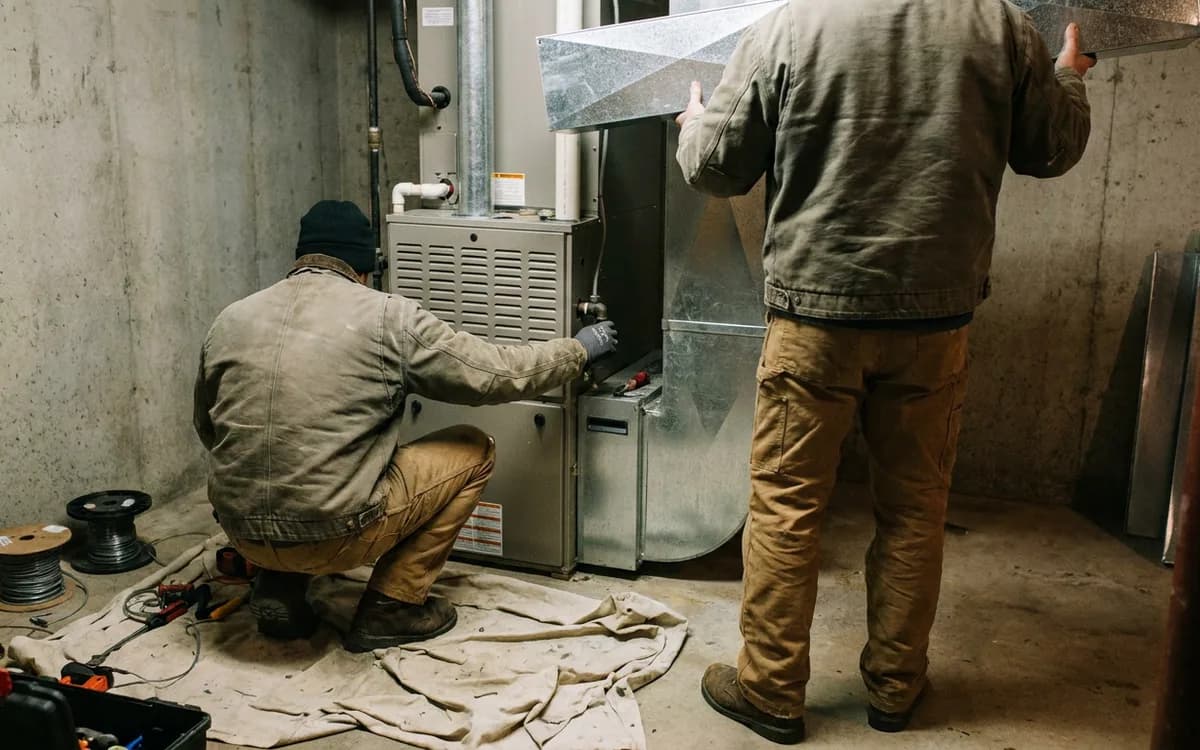
Also true: the coil sits directly above the furnace in most Denver installations, so replacing a furnace often means disturbing the coil anyway.
Oversold: the idea that working equipment must be replaced because it wasn't sold as a bundle. Plenty of well-performing systems are mixed. A properly sized coil paired with a good condenser works whether or not the badges match.
The honest test is whether the existing component is near end of life or genuinely mismatched — not whether a catalog groups them.
The heat pump question
If you're replacing both machines anyway, this is the moment to at least price the alternative.
A heat pump does both jobs from one outdoor unit — it cools in summer and reverses to heat in winter. And Colorado's incentive structure makes the comparison unusual: Xcel pays $2,250 per heating ton for a cold-climate heat pump with the bonus, roughly $6,750 on a typical 3-ton system, against $225 for a gas furnace.
That bonus drops on October 1, 2026, and there are eligibility conditions. Heat pump vs furnace in Denver works through the cold-weather performance question, the electrical panel cost that can erase the advantage, and when a gas furnace is still the better buy.
Many Denver homes end up on dual fuel — keep the gas furnace, add the heat pump, let the system switch at the crossover temperature. If you're replacing both anyway, that's worth a quote.
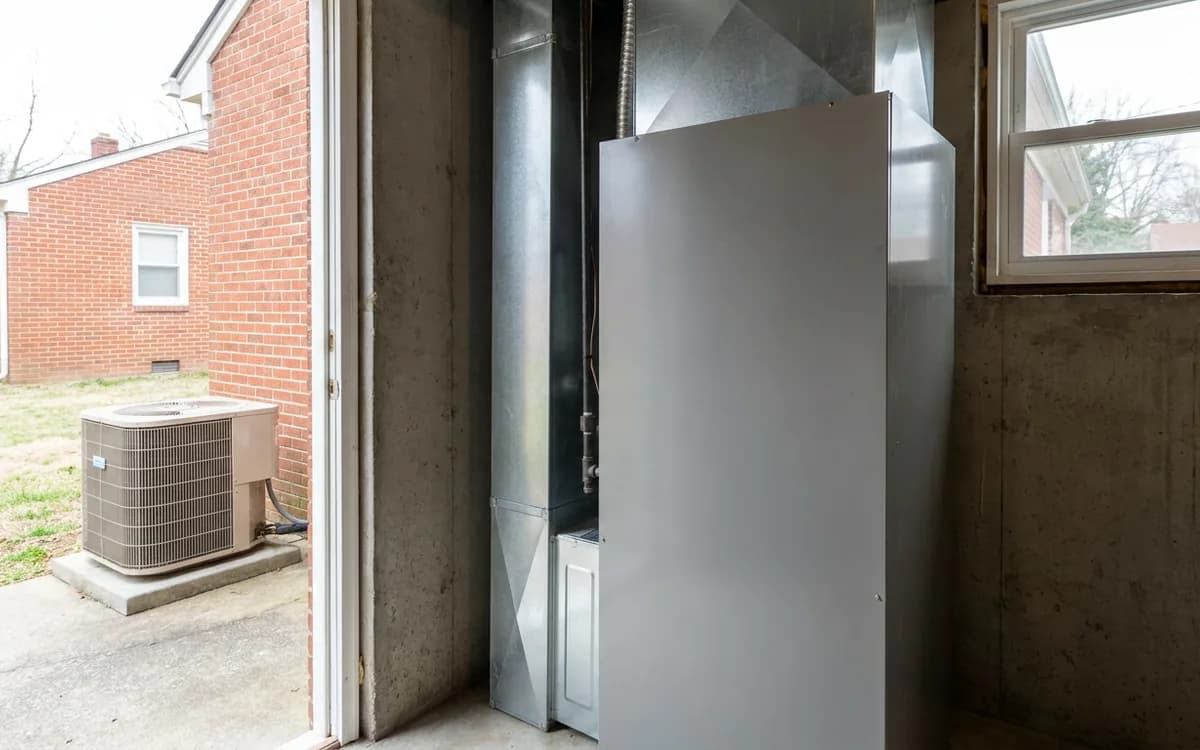
Sizing both for a Denver house
The altitude derate applies to the heating side: gas furnaces lose roughly 4% of rated capacity per 1,000 feet, and the metro sits above 5,200 feet. Cooling capacity is affected differently — thinner air carries less heat, which changes the load calculation rather than simply derating the equipment.
The practical point is that both systems need real calculation rather than matching the old nameplates, and one contractor doing both at once has a better view of the whole picture than two contractors doing halves.
Ductwork is the shared constraint. Both systems push air through the same ducts, so if the returns are undersized — common in Denver, where the median home dates to 1975 — neither system reaches its rated performance. If you're replacing everything else, it's the right time to find out. Duct modification runs $1,600 to $5,550 and up.
Get it priced both ways
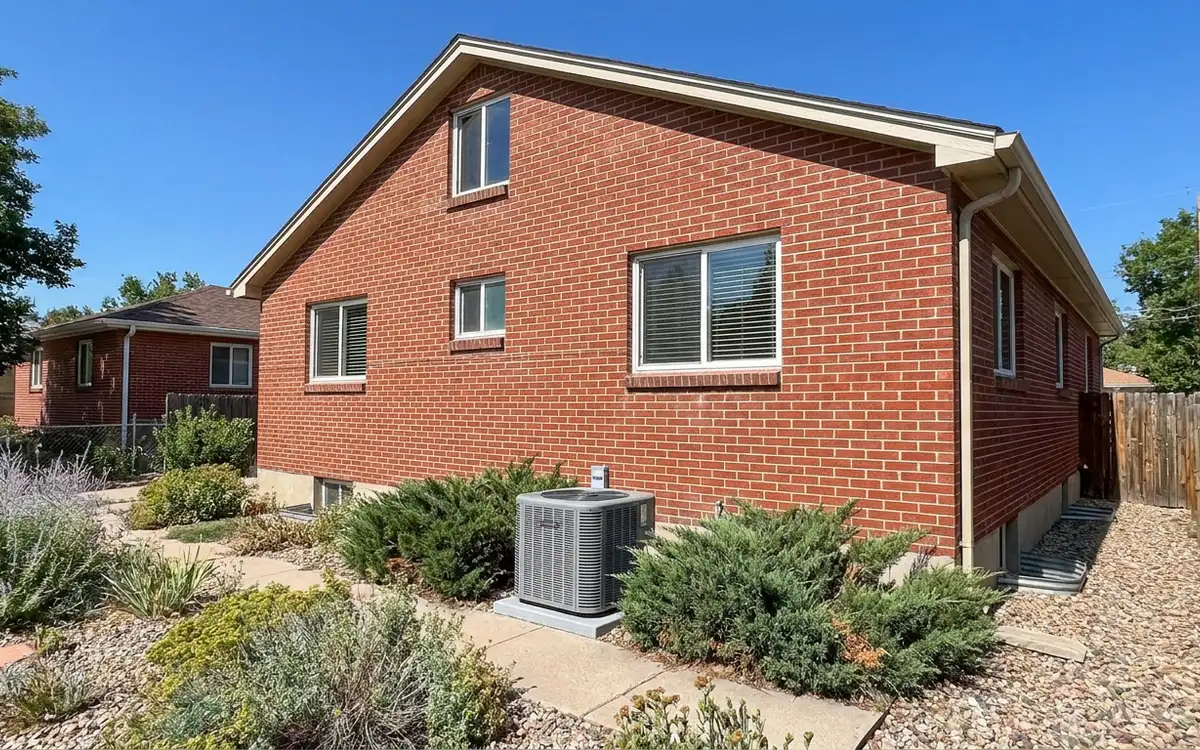
Ask for three numbers: furnace alone, AC alone, and both together. Then you can see the actual saving instead of taking someone's word for it.
Call (303) 226-1486 or send the form. One insured local heating professional will quote it honestly, including telling you if your AC has years left and you only need the furnace.
More detail: furnace installation cost in Denver, high-efficiency furnaces, and Xcel's rebates.
Questions
Frequently Asked Questions
How much does it cost to replace a furnace and AC together in Denver?
A furnace alone runs $6,300 to $8,650 installed and a comparable AC system is broadly similar, so a combined replacement typically lands in the low-to-mid five figures depending on capacity and efficiency. Doing both at once usually saves meaningfully on labor versus two separate projects, since the equipment shares a cabinet space, a drain, and much of the same access work.
Do I have to replace both at the same time?
No. If one system is failing and the other has real life left, replace the failing one. The furnace blower moves air for the air conditioner too, so they're connected, but replacing one alone is completely routine work. An honest estimate tells you which situation you're in rather than quoting the bigger job by default.
What is a matched system and does it matter?
A matched system means the furnace, evaporator coil, and outdoor condenser are engineered to work together and rated as a unit. It genuinely matters for efficiency: a high-SEER condenser paired with an old, undersized coil will not deliver its rated performance. Whether that justifies replacing working equipment is a different question — usually not on its own.
If my AC is 15 years old and my furnace just died, should I do both?
It's the strongest case for doing both. At 15 the AC is near end of life, you're already paying for access and labor, and you get a properly matched system out of it. The alternative is paying for a second full installation in a year or two. Get it priced both ways and compare the totals rather than the monthly payments.
Would a heat pump replace both at once?
That's exactly what a heat pump does — it heats in winter and cools in summer from one outdoor unit. In Colorado the rebate math is striking: Xcel pays $2,250 per heating ton for a cold-climate heat pump with the bonus, against $225 for a gas furnace. If you're already replacing both machines, it's worth pricing seriously.
Does replacing both take longer than one day?
Usually two days for a full changeout, sometimes one long day for a straightforward swap. It runs longer if the furnace is converting to high efficiency and needs new PVC venting, if the refrigerant line set has to be replaced, or if the electrical for the condenser needs work.
Ready to get started?
Get connected with one local, insured heating professional. Honest sizing, a real number, and no obligation to buy.