Denver, CO & the surrounding area
Furnace Replacement in Arvada
Furnace Installation Denver connects Arvada homeowners with one independent, insured local heating professional for a free replacement estimate. Call (303) 226-1486. No call list, no obligation.
- Free replacement estimate
- Insured local pro
- No obligation
Free Furnace Estimate
A no-cost in-home estimate, with no obligation to buy
Insured Local Heating Professional
We connect you with one independent Denver-area business
Clear Sizing & Price Answers
Understand the options before you decide on a replacement
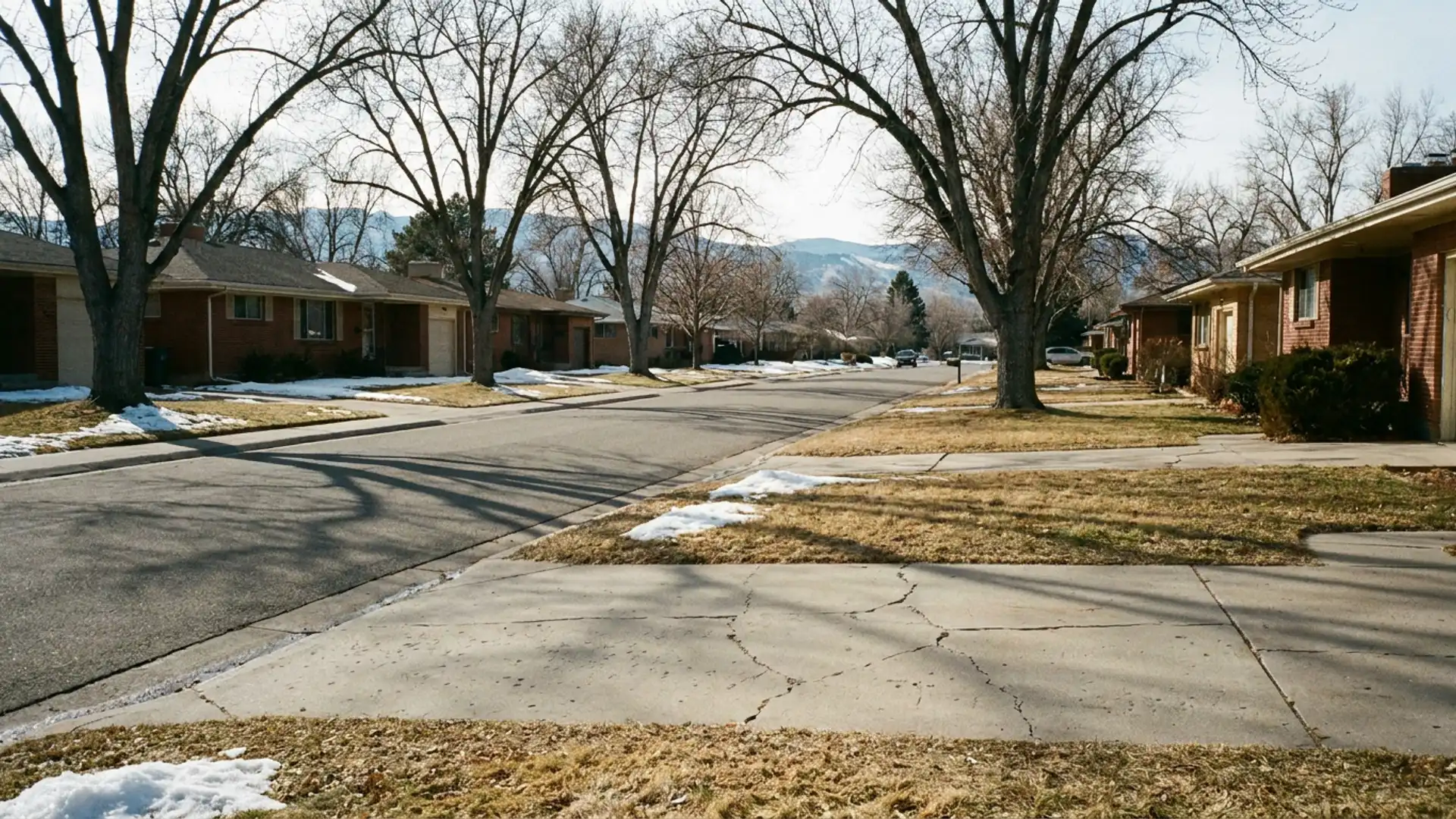
Arvada is the aging-housing story in this metro, and it changes what a furnace replacement actually involves.
The median Arvada home was built in 1979 — Census ACS 2024 five-year estimates. 25.6% of the city's 52,169 housing units went up in the 1970s, the largest single decade, with another 16% in the 1960s and 8.9% in the 1950s. Roughly half of Arvada predates 1980.
Compare that to Parker, where the median home is from 2004, or Broomfield at 2002. An Arvada house is on average 25 years older than a Parker house, and that gap shows up in every part of a heating system.
What it means practically: if you own a typical Arvada home, you are almost certainly not replacing the original furnace. You're replacing its replacement. The equipment might be from the 1990s or 2000s, sitting in a house built in 1975, connected to ductwork designed for a furnace that was hauled out decades ago.
Olde Town versus west Arvada
Arvada isn't one housing stock, and the difference is worth naming.
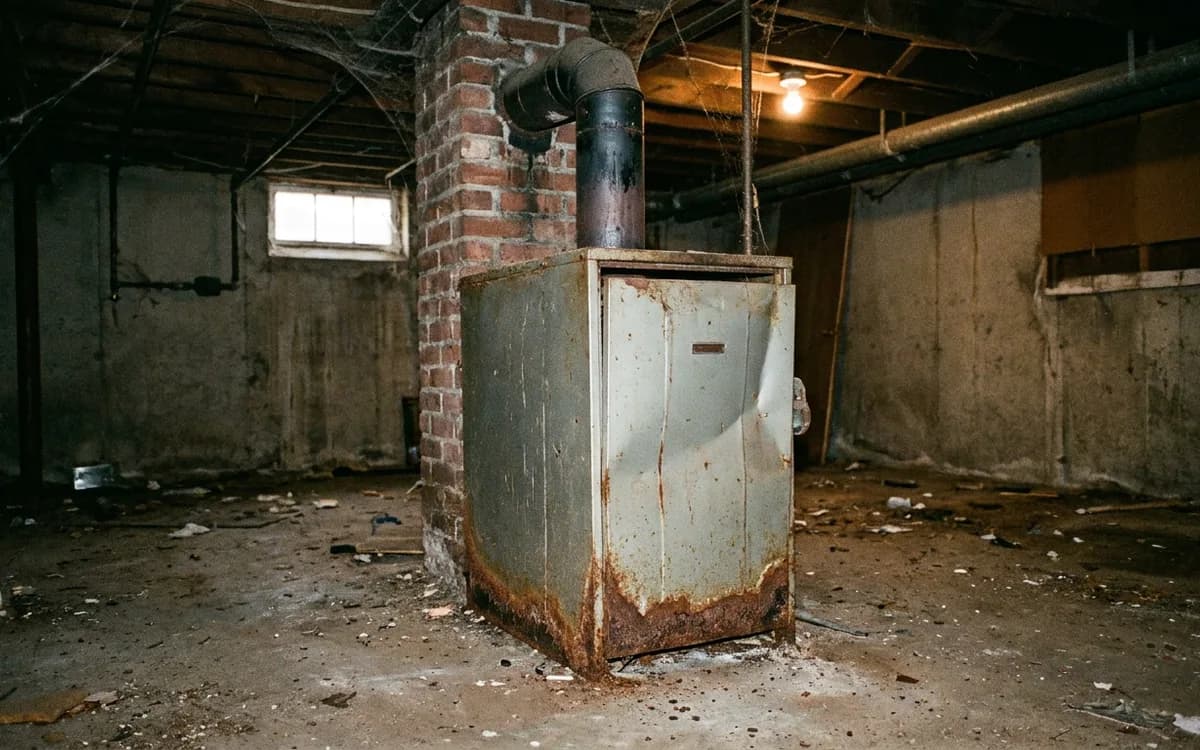
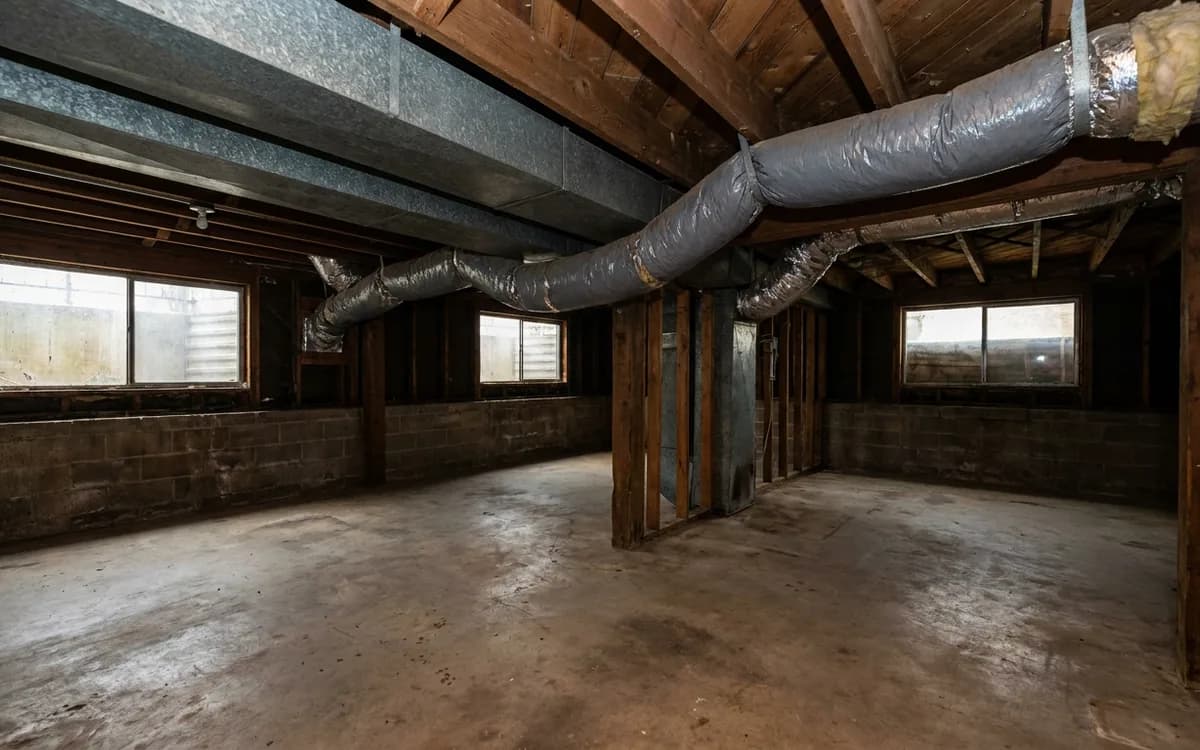
The older core around Olde Town carries the pre-1960 homes — about 11% of the city's stock was built before 1960, and 2% before 1940. Those houses tend to have tighter basements, smaller mechanical spaces, and heating systems that were retrofitted rather than designed in. Ductwork in a home like that has often been extended, rerouted, or patched across several owners.
Newer west Arvada is a different job entirely. 13.9% of the city's housing was built in the 2010s, mostly on the western edge, and those homes have modern layouts, purpose-built mechanical rooms, and ducts sized for contemporary equipment.
Same city, two very different estimates. A contractor who has worked both knows to look before quoting.
The ductwork question in a 1970s house
This is the issue that catches Arvada homeowners more than any other.
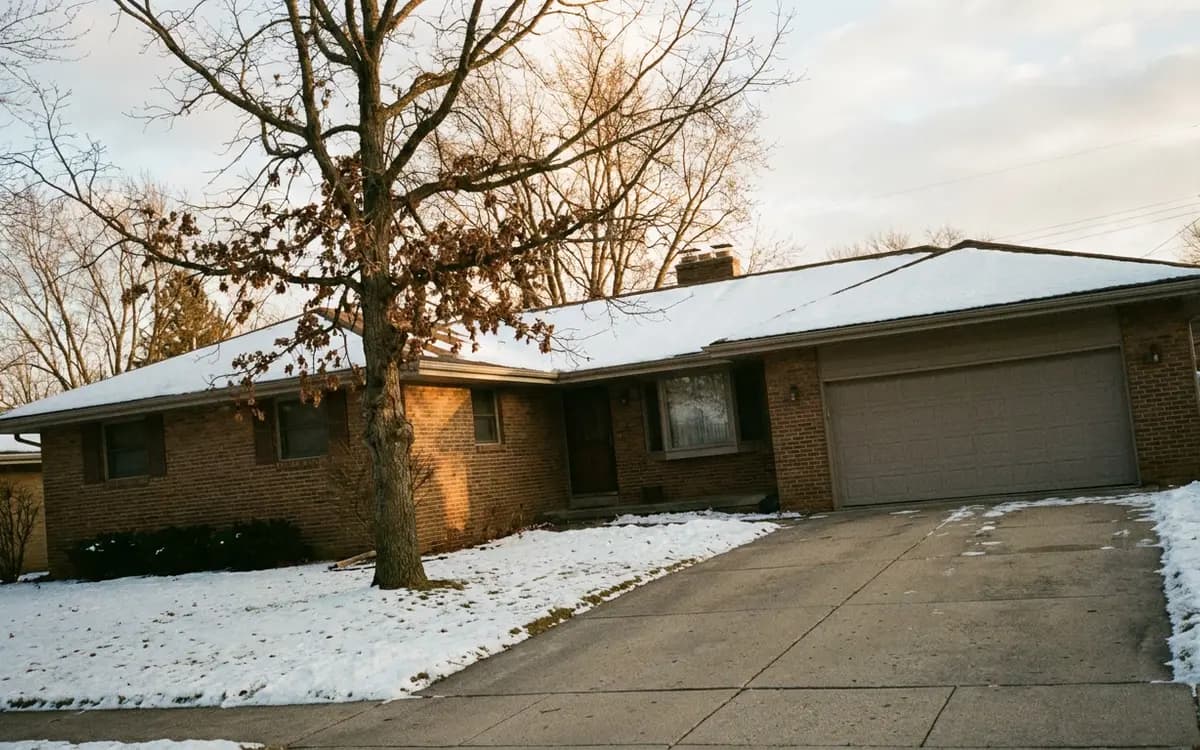
Return air ducts sized for a 1970s furnace are frequently undersized for what a modern high-efficiency unit expects to move. The furnace can be perfect and the installation flawless, and the system still underperforms because the ducts can't carry the airflow.
Symptoms of it are easy to mistake for a furnace problem: rooms that never match, a blower that runs constantly, or a new furnace that doesn't feel better than the old one. It's worth asking directly whether the returns were measured, because duct modification is $1,600 to $5,550 and up and you want that in the conversation before you sign, not after.
Not every older home needs it. But in this housing stock it's a real question, and "we'll just swap the unit" isn't always the honest answer.
Sizing, altitude, and what changed since 1979
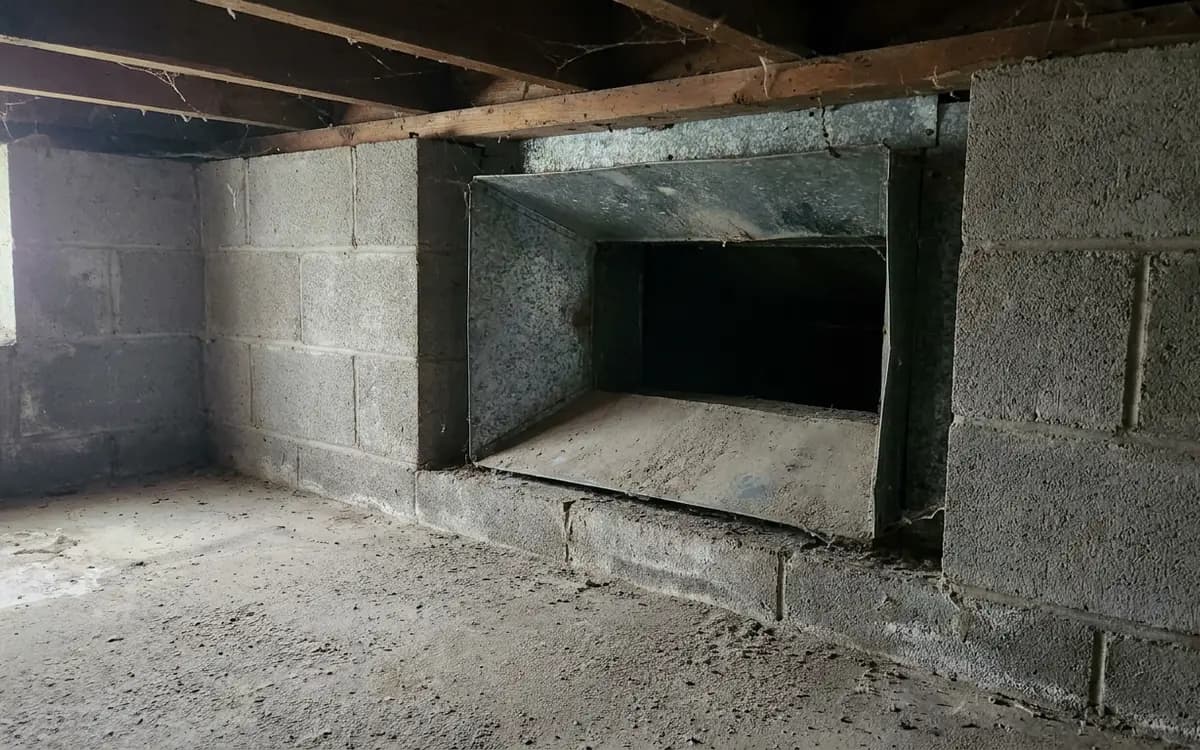
Arvada sits near 5,350 feet, and gas furnaces lose roughly 4% of rated capacity per 1,000 feet of elevation. A furnace sized off sea-level tables arrives undersized before it's uncrated. Ask how the contractor accounted for it.
Then there's what's changed about the house itself. A 1975 Arvada home has likely had insulation added, windows replaced, or a basement finished since the original furnace was specced. Those changes move the heating load in both directions — better envelope means less furnace needed, finished basement means more conditioned space.
Matching the old nameplate is the easy mistake. An oversized furnace short-cycles, which gives you uneven temperatures and premature wear on the ignitor and blower. Ask for a load calculation on the house as it stands now.
What the job looks like
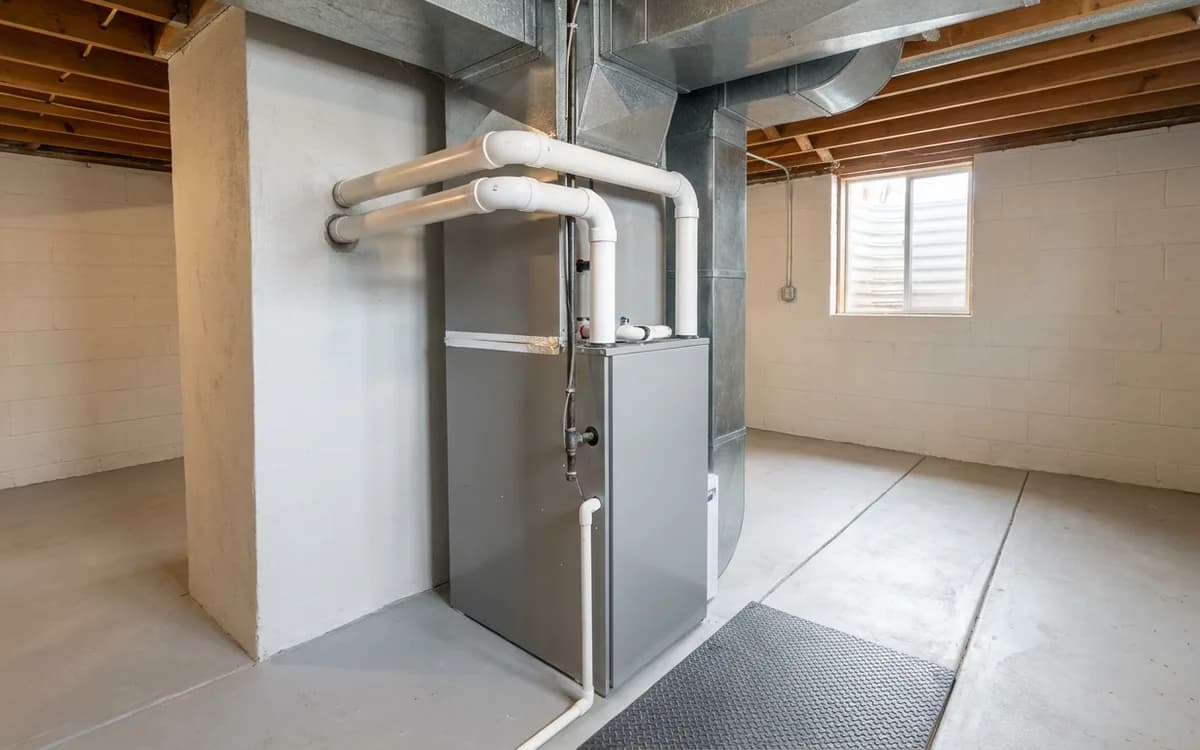
A straightforward swap is one full day: old unit disconnected and hauled out, new one set and tied into ductwork, gas, and electrical, venting reconnected or rebuilt, then a City of Arvada inspection within a few days.
Two days is normal when the venting converts to PVC for a high-efficiency unit, when ducts need rework, or when the furnace lives somewhere awkward — which in older Arvada homes it sometimes does.
The cost breakdown has the size and efficiency tables. If you're not sure replacement is warranted yet, repair or replace walks the decision. Xcel's rebates covers the $225 a 95% AFUE unit earns.
Get an estimate for your house
Call (303) 226-1486 or send the form. One insured local heating professional will look at the furnace, the ductwork, and the venting, and put a written estimate in your hands. If the honest answer is that yours has a few winters left, that's what you'll hear.
We also serve Broomfield, Thornton, Littleton, and the rest of the Denver metro.
Questions
Frequently Asked Questions
How much does furnace replacement cost in Arvada?
Most Arvada replacements run $6,300 to $8,650 for a standard-efficiency gas furnace including equipment and labor, with about $7,400 as a typical middle. Older Arvada homes are frequently in the 60,000 to 80,000 BTU range, which puts them at roughly $6,100 to $10,100 depending on efficiency and whether the venting needs converting.
Why do Arvada homes need furnace work more often?
Age. The median Arvada home was built in 1979 according to Census ACS 2024 five-year data, and 25.6% of the city's housing went up in the 1970s alone — the single largest decade. A house from that era is on its second or third furnace, and the surrounding systems are the same vintage as the house.
Are Olde Town Arvada homes harder to work on?
Sometimes. About 11% of Arvada's housing predates 1960, concentrated in the older core, and those homes can have tighter basements, smaller mechanical spaces, and ductwork that was added or modified over decades rather than designed as one system. None of that prevents a replacement — it just means access and duct condition should be evaluated during the estimate, not assumed.
Do I need a permit to replace a furnace in Arvada?
Yes. The City of Arvada requires a mechanical permit for a furnace replacement, and your contractor pulls it. Expect $80 to $150 as a line item on your quote. The permit triggers an inspection, which is the only independent verification that the gas connection and venting were done correctly.
My Arvada home has a furnace and a swamp cooler. Does that complicate replacement?
It's a common pairing in older Front Range homes and it doesn't prevent a furnace replacement. What matters is how the ductwork is shared and whether any of it needs modification for the new unit's airflow. Mention the evaporative cooler when you request an estimate so it's accounted for rather than discovered.
Is high efficiency worth it in an older Arvada home?
It depends on the ductwork as much as the furnace. A 95% AFUE unit burns roughly 15% less gas and earns Xcel's $225 rebate, but a condensing furnace needs new PVC venting to the outside — $899 to $1,965 — and if 1970s return ducts are undersized, the new unit can't move the air it's rated for anyway. Get the ducts evaluated before choosing the efficiency tier.
Ready to get started?
Get connected with one local, insured heating professional. Honest sizing, a real number, and no obligation to buy.