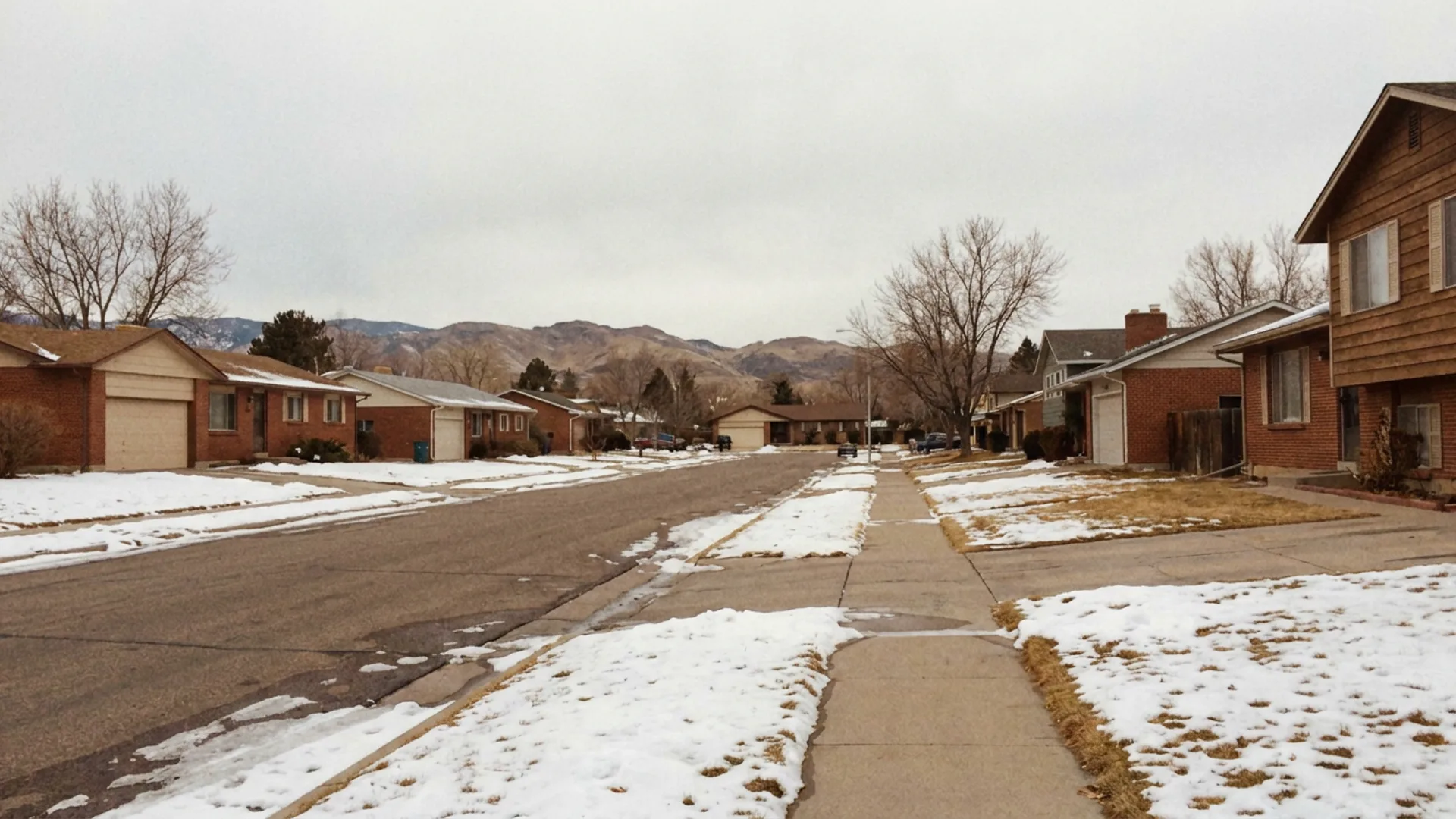
Denver, CO & the surrounding area
Furnace Replacement in Aurora
Furnace Installation Denver connects Aurora homeowners with one independent, insured local heating professional for a free replacement estimate. Call (303) 226-1486. No call list, no obligation.
- Free replacement estimate
- Insured local pro
- No obligation
Free Furnace Estimate
A no-cost in-home estimate, with no obligation to buy
Insured Local Heating Professional
We connect you with one independent Denver-area business
Clear Sizing & Price Answers
Understand the options before you decide on a replacement
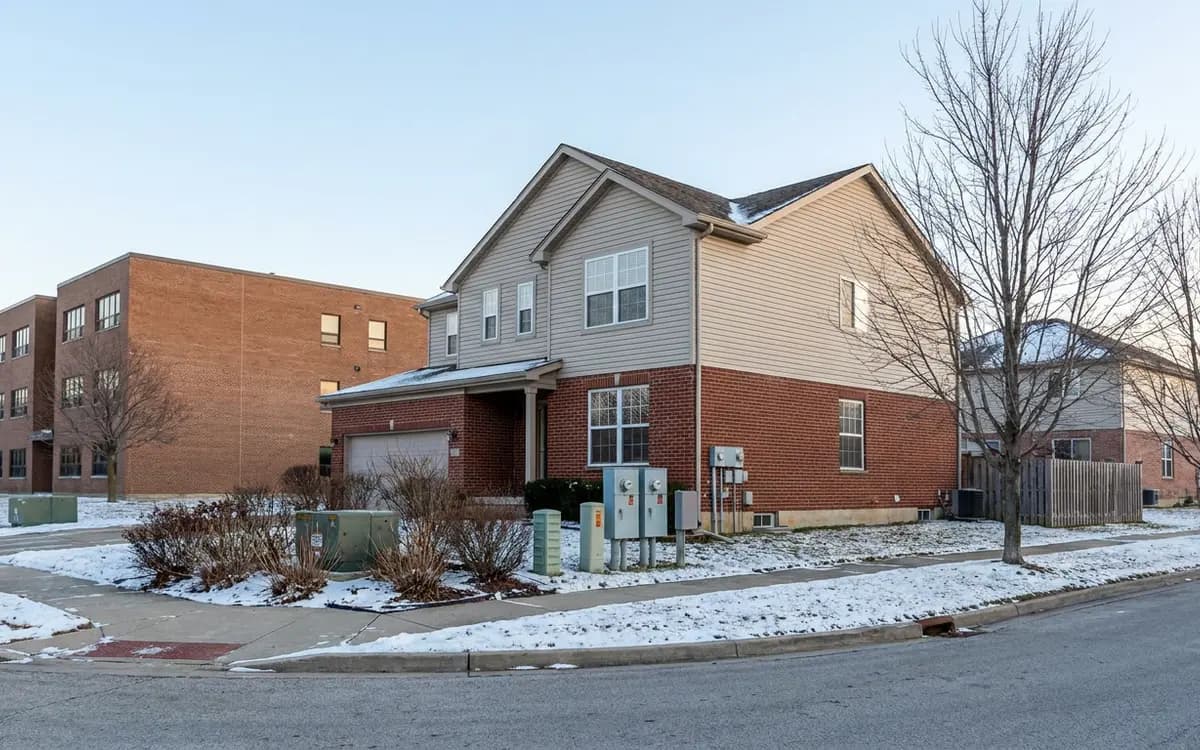
Aurora is the largest suburb in the metro and it doesn't have one housing story. It has two, and which one you live in changes the job.
Census ACS 2024 five-year data puts 23.9% of Aurora's 152,377 housing units in the 1980s and 23.3% in the 1970s. Nearly half the city went up before 1990, and the median Aurora home dates to 1985. Then a second wave: 14.5% in the 2000s and 11.6% in the 2010s, mostly on the southern and eastern edges as the city expanded outward.
So a furnace call in older north and central Aurora is a different conversation from one in a newer southeast subdivision. The first is usually a second or third replacement in a house with 1970s bones. The second is often an original furnace reaching the end of a first life.
Neither is harder. But a contractor who assumes one when you have the other will quote you wrong.
What that means for your furnace
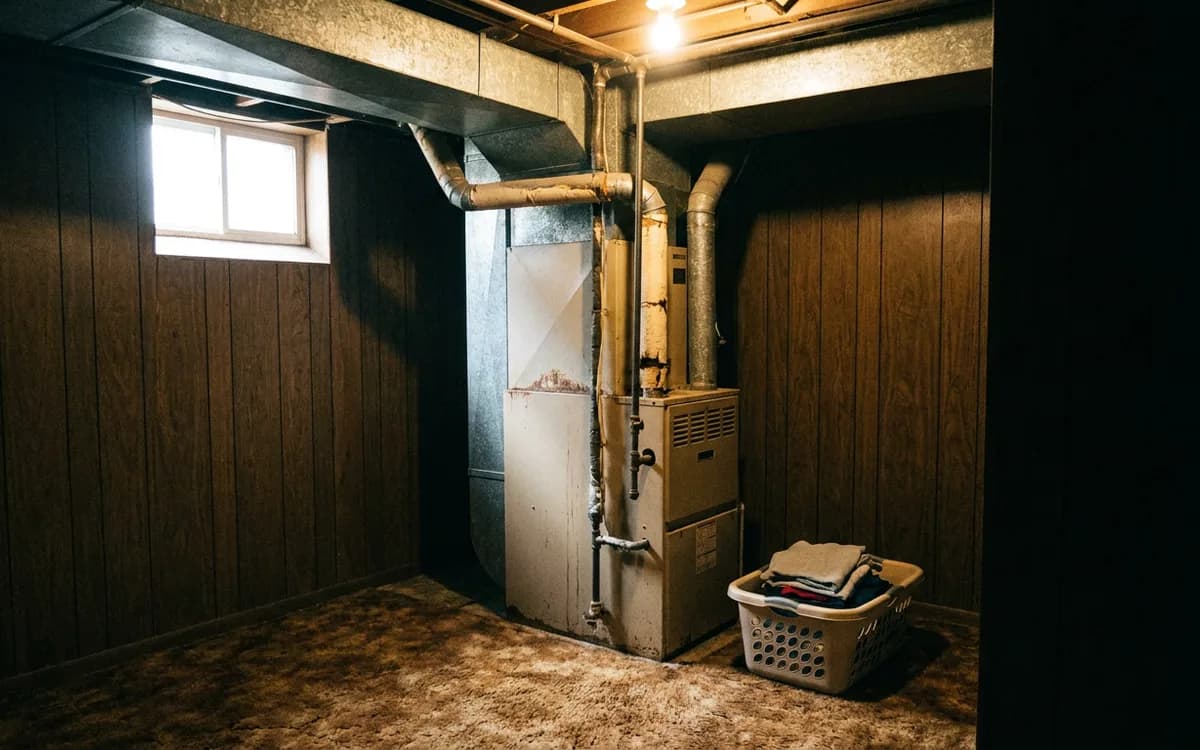
If your home is from the 1970s or 80s — that's roughly half of Aurora — the original furnace is long gone and you're likely replacing a unit installed in the 1990s or 2000s. Worth knowing: the ductwork is probably still original. It was sized for the furnace that came out decades ago, and it may or may not suit what goes in now.
If your home is from the 2000s onward, you're likely facing a first replacement. Original equipment from that era is often a mid-efficiency unit around 80% AFUE, and the ducts were designed as one system with the furnace, so they usually still match.
Either way, the age arithmetic is the same. Gas furnaces have a 15-to-20-year design life. A 1985 house on its second furnace and a 2005 house on its first can both be due at the same time.
Sizing across very different houses
Aurora's size range is wide enough that the rule of thumb genuinely doesn't help. At 30 to 60 BTUs per square foot, a compact 1970s ranch might need 40,000 to 60,000 BTU while a larger newer two-story needs 100,000 to 120,000. That's the difference between a $5,650 to $8,600 installed range and $7,300 to $12,300.
Aurora's town center sits around 5,400 feet and the city rises toward its southern edge, and gas furnaces lose roughly 4% of rated capacity per 1,000 feet of elevation. A unit sized off sea-level tables shows up undersized. Ask the contractor how they derated for altitude — a local answer comes immediately.
The oversizing trap applies here as much as anywhere. A furnace that's too large satisfies the thermostat quickly, shuts off, and refires minutes later. That short-cycling produces uneven rooms and premature wear on the ignitor and blower. If your house has had insulation added or windows replaced since it was built, it may need less furnace than the nameplate on the old one suggests.
Permits and the three-county question
Aurora spans Arapahoe, Adams, and Douglas counties, which occasionally confuses people about where a permit comes from. It doesn't matter: the City of Aurora building division handles the mechanical permit regardless of which county your address falls in.
Your contractor pulls it, it should be a line on your quote at $80 to $150, and it triggers the inspection. That inspection is the only independent check that the gas connection and venting were done right. Anyone offering to skip it is offering to remove your safety net to save you a hundred dollars.
Colorado does not license HVAC contractors at the state level — the state licenses electricians, plumbers, and radon professionals. Ask about the contractor's local mechanical credentials and insurance specifically rather than accepting "licensed" as a general claim.
What the job looks like
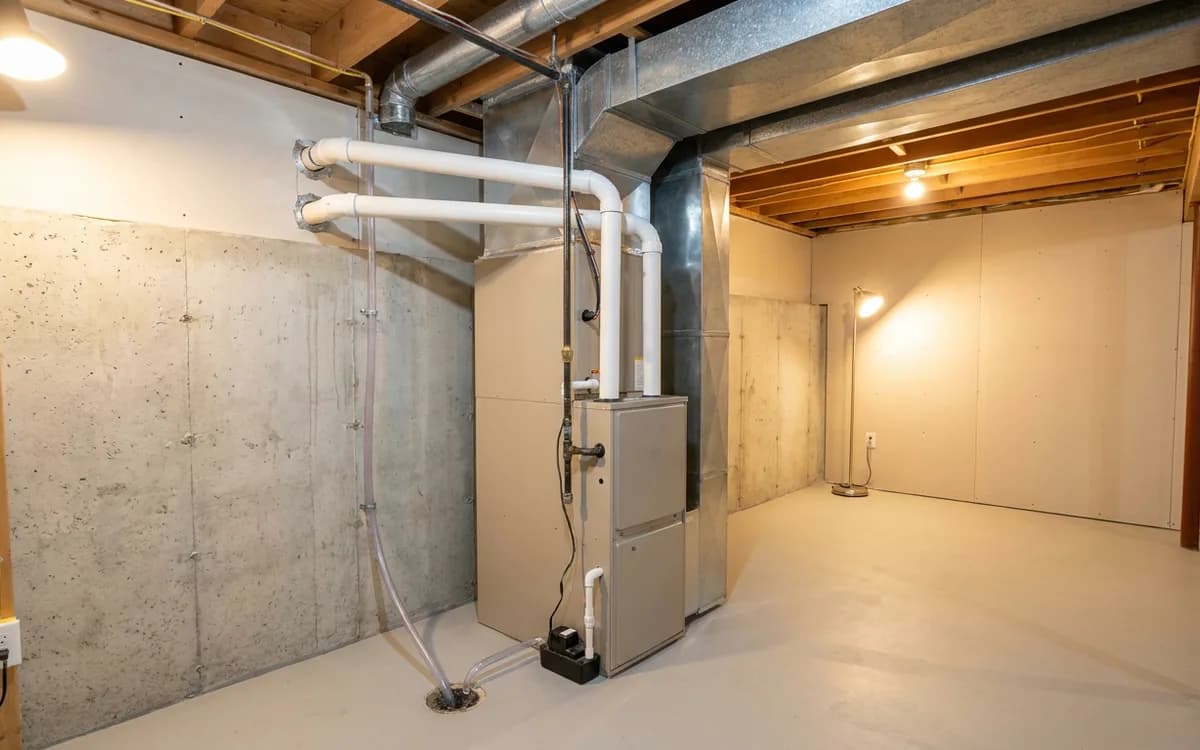
A straightforward swap runs one full day: old unit disconnected and removed, new one set and connected to existing ductwork, gas, and electrical, venting handled, then the city inspection within a few days.
Two days is normal when converting to a high-efficiency unit that needs new PVC venting run outside, or when ductwork needs modification — which is more common in the older half of the city.
The full cost breakdown has the size and efficiency tables and what belongs in a quote. Not sure you need a replacement yet? Repair or replace works the decision honestly. The Xcel rebate page covers the $225 a 95% AFUE unit earns.
Get an estimate for your house
Call (303) 226-1486 or send the form. One insured local heating professional will measure the house, check the ductwork and venting, and put a written estimate in your hands. If your furnace has more life in it, that's what you'll hear.
We also serve Thornton, Parker, Highlands Ranch, and the rest of the Denver metro.
Questions
Frequently Asked Questions
How much does furnace replacement cost in Aurora?
Most Aurora replacements run $6,300 to $8,650 for a standard-efficiency gas furnace with equipment and labor, with roughly $7,400 as a typical middle. Aurora's housing varies widely in size, so the honest range runs from about $6,100 for a smaller 1970s home up to $10,350 for a larger newer one at high efficiency.
How old are most Aurora furnaces?
It depends where in the city you are. Census ACS 2024 five-year data shows 23.9% of Aurora's housing built in the 1980s and 23.3% in the 1970s — so nearly half the city predates 1990, and the median home dates to 1985. Those homes are typically on their second furnace now. Newer south and east Aurora homes from the 2000s are often approaching a first replacement.
Do I need a permit to replace a furnace in Aurora?
Yes. The City of Aurora requires a mechanical permit for a furnace replacement, and your contractor pulls it — expect $80 to $150 as a line on the quote. Note that Aurora spans three counties, but the permit goes through the City of Aurora building division regardless of which county your address sits in.
Why is Aurora furnace pricing so variable?
Because the housing is. A 1,100 square foot 1970s ranch and a 3,000 square foot 2005 two-story need very different equipment — roughly 40,000 to 60,000 BTU versus 100,000 to 120,000. That capacity difference alone moves the installed price by several thousand dollars before efficiency is even considered.
My Aurora home has electric baseboard heat. Can I switch to a furnace?
It's possible but it's a larger project than a swap — you'd need ductwork installed throughout the house and a gas line run to the equipment, which is well beyond a standard replacement cost. In that situation a heat pump is often the more practical path since it doesn't require gas service. Worth pricing both before committing.
Is high efficiency worth it in an Aurora home?
If you're staying long term, usually. A 95% AFUE furnace burns roughly 15% less gas than an 80% unit and earns Xcel's $225 rebate. The offset is $899 to $1,965 for new PVC venting if you're converting from a furnace that vented up the chimney, which most pre-1990 Aurora homes did.
Ready to get started?
Get connected with one local, insured heating professional. Honest sizing, a real number, and no obligation to buy.