Denver, CO & the surrounding area
Emergency Furnace Replacement in Denver
Furnace Installation Denver connects Denver homeowners with one insured local heating professional for an emergency furnace replacement estimate when no heat cannot wait. Call (303) 226-1486. Before that, there are four things worth checking yourself — they take two minutes and they resolve a real share of no-heat calls at no cost.
- Free replacement estimate
- Insured local pro
- No obligation
Free Furnace Estimate
A no-cost in-home estimate, with no obligation to buy
Insured Local Heating Professional
We connect you with one independent Denver-area business
Clear Sizing & Price Answers
Understand the options before you decide on a replacement
The thermostat. Dead batteries, or someone knocked it to "cool." Set it to heat and push the temperature five degrees above the room. If the display is blank, replace the batteries first.
The furnace power switch. There's a switch that looks like an ordinary light switch on or near the furnace, often at the top of the basement stairs. It gets flipped by accident more often than anyone admits.
The breaker. Check the panel for a tripped furnace breaker. If it trips again immediately after resetting, stop and call — that's an electrical fault, not a nuisance trip.
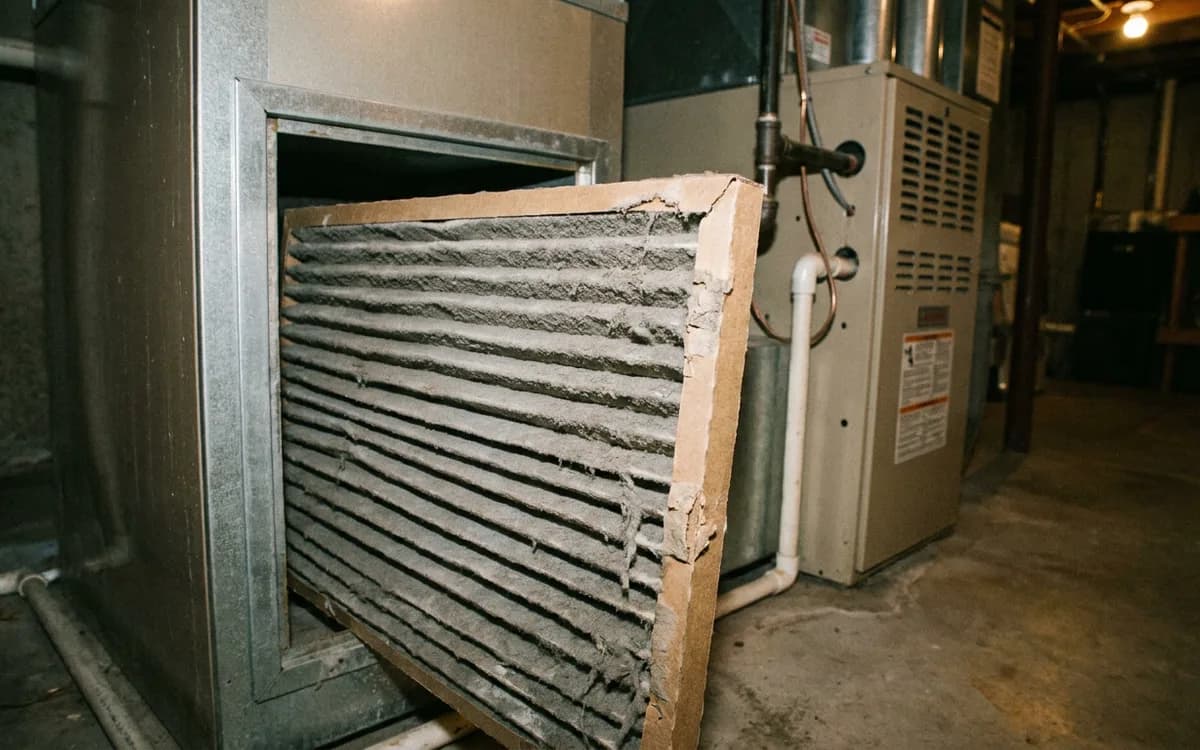
The filter. A badly clogged filter restricts airflow enough to trip the high-limit safety switch and shut the furnace down. If yours is grey and matted, swap it, then give the unit fifteen minutes to reset.
If those four don't fix it, you need a technician. But rule them out first — they cost nothing and they work often enough to be worth the two minutes.
When it is a safety problem, not a comfort problem
Some symptoms mean stop, not schedule.
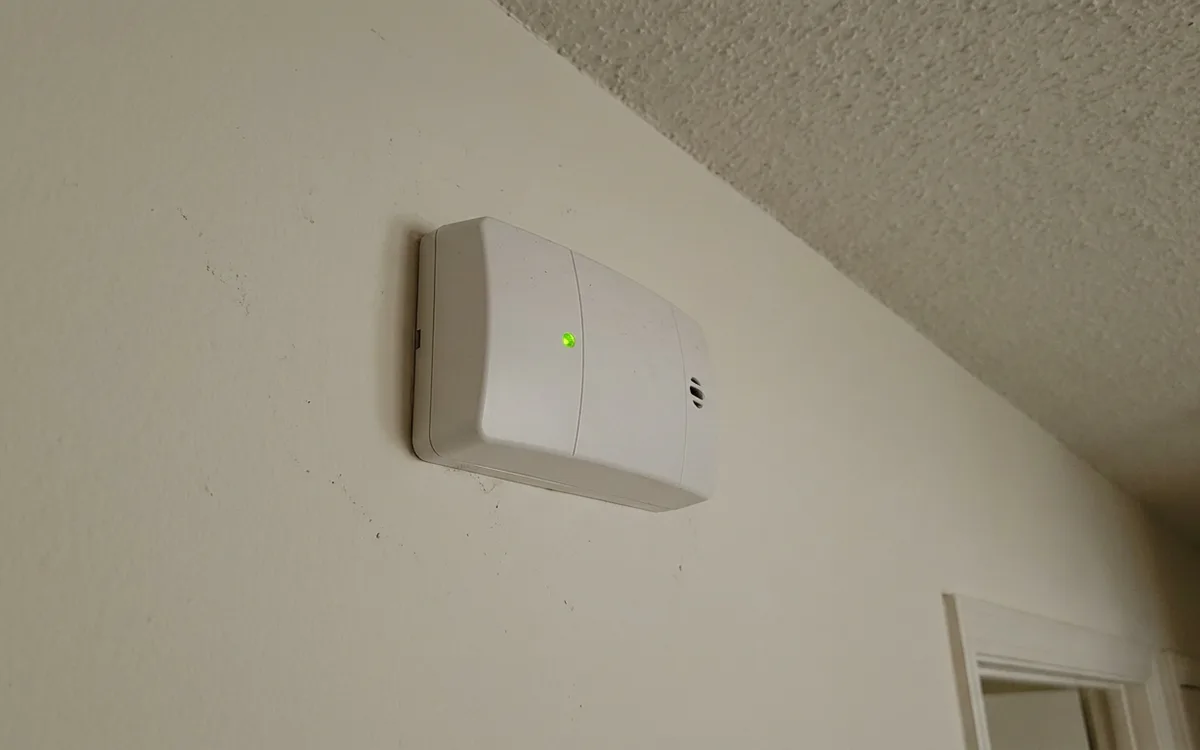
A carbon monoxide alarm sounding. Leave the house, then call. Never assume it's a faulty detector until a professional has confirmed that's what it is.
A gas smell. Leave immediately without touching light switches, and call the gas utility's emergency line from outside.
Soot around the furnace cabinet, or a yellow flickering burner flame where it should be steady blue. That's incomplete combustion. Shut the furnace off and get someone out that day.
A cracked heat exchanger found during diagnosis. That's the metal wall between combustion gases and the air you breathe, and it's a replacement conversation at nearly any age.
Everything else is a comfort problem. Uncomfortable, expensive, inconvenient — but not urgent in the same way, and you have more time to make a good decision than the situation feels like you do.
Most no-heat calls are repairs
This matters because emergency framing pushes people toward the biggest purchase.
The common failures are cheap. A hot surface ignitor is a wear item that fails on a predictable schedule. A flame sensor gets dirty and the furnace lights then shuts down within seconds. A capacitor fails and the blower won't start. A pressure or limit switch trips. All of these are same-day repairs on a furnace with life left, and none of them says anything about the machine's remaining lifespan.
A genuine emergency replacement is comparatively rare. It's usually a cracked heat exchanger, or a major component failure — blower motor, control board — on a furnace old enough that spending $900 to $1,200 makes no sense.
The quick screen is the $5,000 rule: multiply the repair estimate by the furnace's age. Over $5,000 leans replacement. A $400 repair on a 20-year-old furnace is $8,000, so replace. The same repair on a 7-year-old unit is $2,800, so fix it. Repair or replace works through the full decision.
How to not overpay in an emergency
An emergency is the worst possible buying position, and everyone knows it including whoever is quoting you. A few things protect you without slowing anything down.
Get the diagnosis in writing before you get the recommendation. What failed, specifically. If the answer is a cracked heat exchanger, ask to see it — a camera photo or a combustion analyzer reading. That finding is frequently real and genuinely dangerous, and it's also the fastest route from a service call to a five-figure sale. A contractor confident in it will happily document it.
Ask for the repair price even if you expect to replace. Knowing that a repair is $600 tells you what you're actually deciding between.
Ask what a temporary fix would cost. If a repair buys you the rest of the season, you can replace in April with three quotes and a clear head.
Don't sign a financing agreement at 9pm. Whatever the offer is, it will still be there tomorrow. If someone tells you it won't, that itself is information.
Ask whether the permit is included. Emergency work still requires a mechanical permit in Denver-area jurisdictions — typically $80 to $150 — and skipping it removes the only independent check on the gas and venting work.
Staying warm while you wait
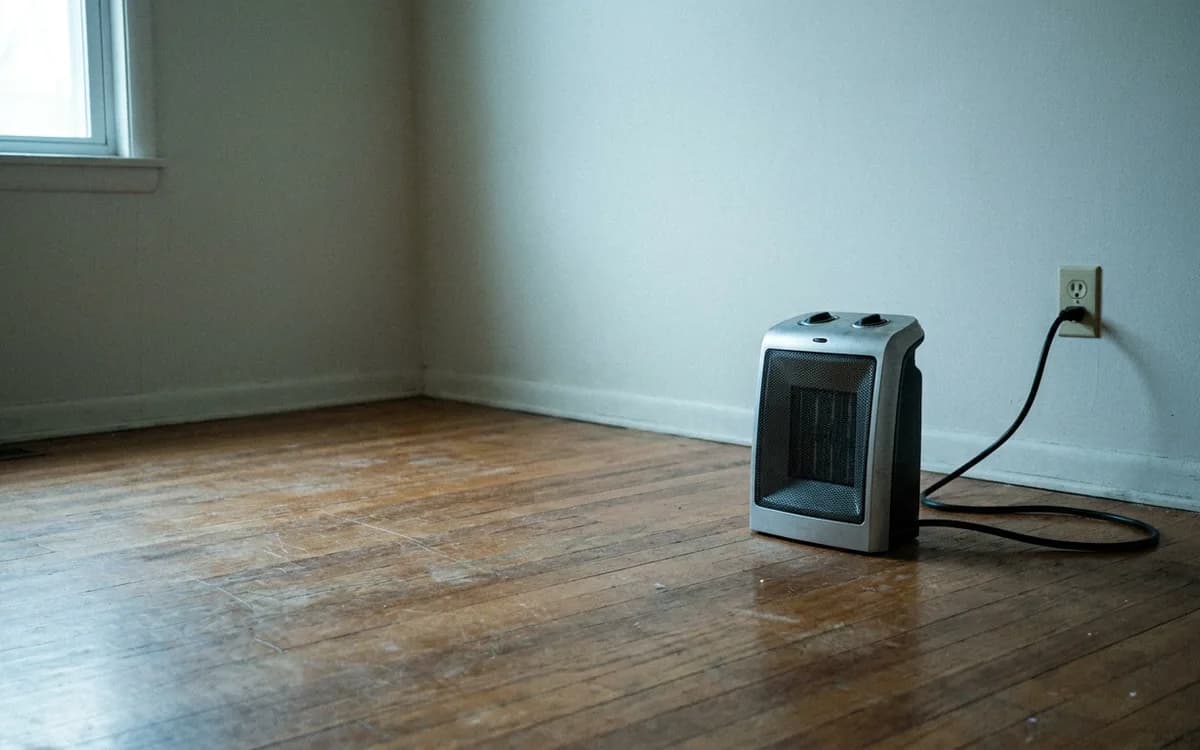
Space heaters are fine used sensibly: on a hard floor, three feet clear of anything that burns, plugged directly into a wall outlet and never into an extension cord or power strip. One per circuit.
Never use a gas oven, a charcoal or gas grill, or any unvented combustion heater indoors. Every winter this kills people, and it kills them because it feels like a reasonable idea at the time.
Protect the pipes. Open cabinet doors under sinks on exterior walls, let a faucet drip, and keep the garage closed if there's plumbing in it. A frozen pipe turns a furnace problem into a much larger one.
If the house is dropping toward freezing and the fix isn't happening tonight, go stay somewhere else. The furnace will still be broken tomorrow.
Then plan the replacement properly
If the honest answer is that your furnace is finished, you'll still get a better outcome by taking a day to compare quotes than by buying at 10pm.
Denver replacements run $6,300 to $8,650 for a standard-efficiency gas furnace with equipment and labor. A quote well outside that deserves an explanation — either something unusual about your house, or something unusual about the quote.
The full cost breakdown has the size and efficiency tables and what belongs in a quote. And the real lesson from any emergency: an aging furnace replaced in October costs less and goes better than the same furnace replaced in January. If yours is past 15 and you're reading this in the fall, that's the whole point.
Call now
Call (303) 226-1486 or send the form. One insured local heating professional, not a call list.
Questions
Frequently Asked Questions
My furnace stopped working. What should I check first?
Four things, in order: the thermostat (batteries dead, or switched to cool), the furnace power switch (it looks like a light switch near the unit and gets flipped by accident), the breaker, and the filter. A severely clogged filter can trip the high-limit switch and shut the furnace down. These four account for a real share of no-heat calls and cost nothing to rule out.
Do I need an emergency replacement or can it wait?
Most no-heat calls are repairs, not replacements. A failed ignitor or flame sensor is a same-day fix, not a new furnace. A genuine emergency replacement is rare — usually a cracked heat exchanger found during diagnosis, or a failure so expensive on a furnace so old that repair makes no sense. Get the diagnosis before accepting the conclusion.
Is it dangerous to stay in the house with no heat in Denver?
The bigger risk in a Denver cold snap is frozen pipes, which start becoming a concern once indoor temperatures drop toward freezing. Keep cabinet doors under sinks open, let a faucet drip on exterior walls, and if the house is getting genuinely cold, arrange somewhere else to stay. Never use a gas oven, grill, or unvented combustion heater for warmth.
Will I pay more for a furnace replacement in an emergency?
Often, yes — you have less time to compare quotes and less room to negotiate, and after-hours labor carries a premium. The equipment cost doesn't change. That's the strongest argument for replacing an aging furnace on your schedule in autumn rather than on the coldest night of the year.
Can a contractor replace my furnace the same day?
Sometimes, if the right size is in stock. A straightforward swap is a one-day job. What prevents same-day work is usually equipment availability, a high-efficiency conversion needing new venting, or simply that every heating company in the metro is booked during a cold snap.
What if I can't afford a replacement right now?
Say so plainly and ask about a temporary repair to get through the season. A contractor who won't discuss a stopgap on a repairable furnace is telling you something. Most Denver companies also offer financing, and Xcel has an energy-efficiency financing program — read the terms the way you'd read a car loan, and ask for the total repaid rather than the monthly figure.
Ready to get started?
Get connected with one local, insured heating professional. Honest sizing, a real number, and no obligation to buy.