Denver, CO & the surrounding area
Furnace Replacement in Thornton
Furnace Installation Denver connects Thornton homeowners with one independent, insured local heating professional for a free replacement estimate. Call (303) 226-1486. No call list, no obligation.
- Free replacement estimate
- Insured local pro
- No obligation
Free Furnace Estimate
A no-cost in-home estimate, with no obligation to buy
Insured Local Heating Professional
We connect you with one independent Denver-area business
Clear Sizing & Price Answers
Understand the options before you decide on a replacement
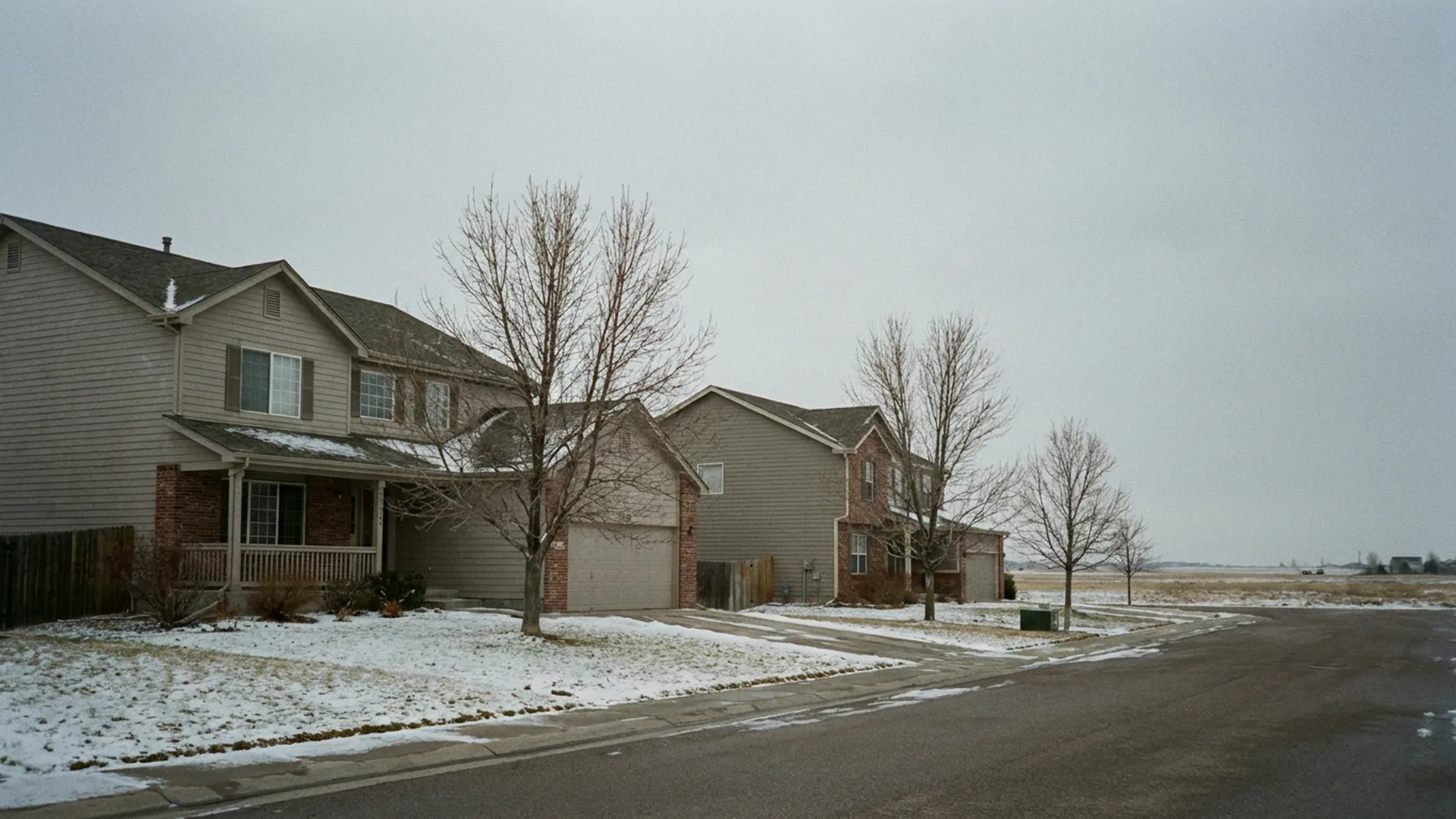
Thornton's housing tells a growth story, and where your house falls in it determines what a furnace replacement involves.
Census ACS 2024 five-year estimates put 26.2% of Thornton's 52,250 housing units in the 2000s and 19.9% in the 1990s — nearly half the city built in twenty years. The median Thornton home dates to 1997. Another 14.7% arrived in the 2010s as growth pushed north and east.
That's the newer Thornton most people picture. But there's an older one underneath it: 13.6% of the stock from the 1980s and 13.3% from the 1970s, concentrated in the original south end near the Denver line, plus a small pre-1960 remnant.
So the honest answer to "what does a Thornton furnace job look like" is that it depends which Thornton you're in.
The newer half: first replacements
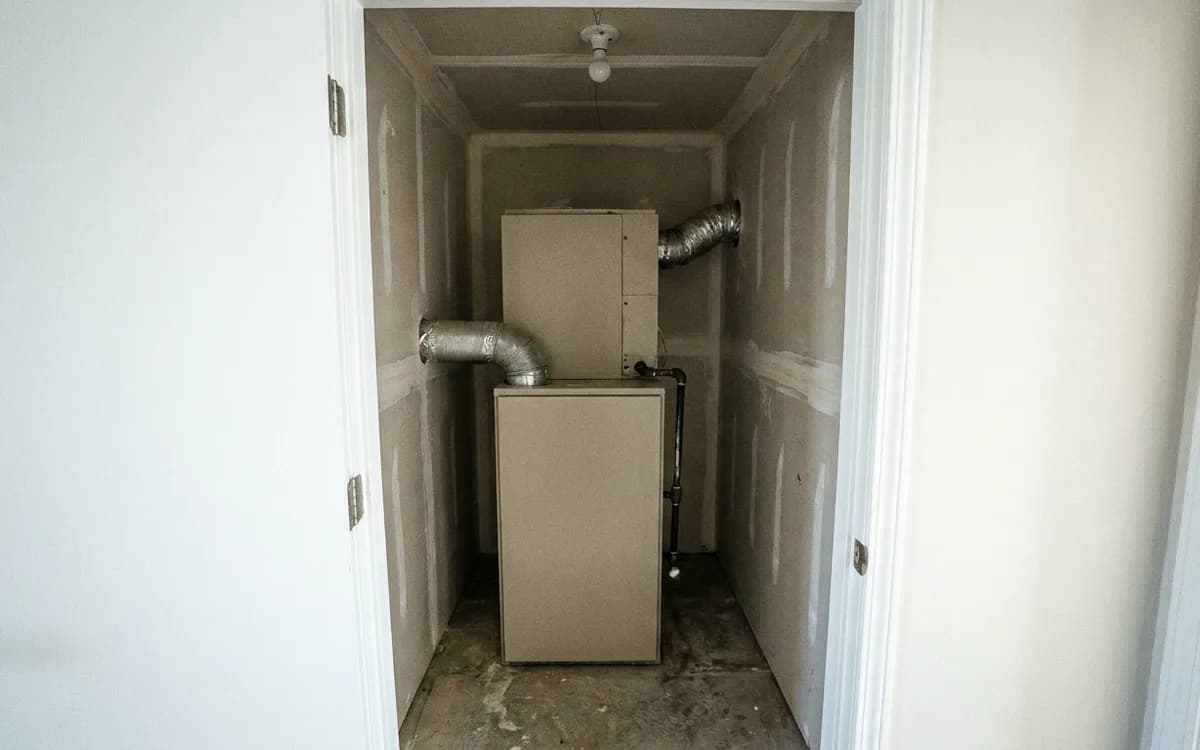
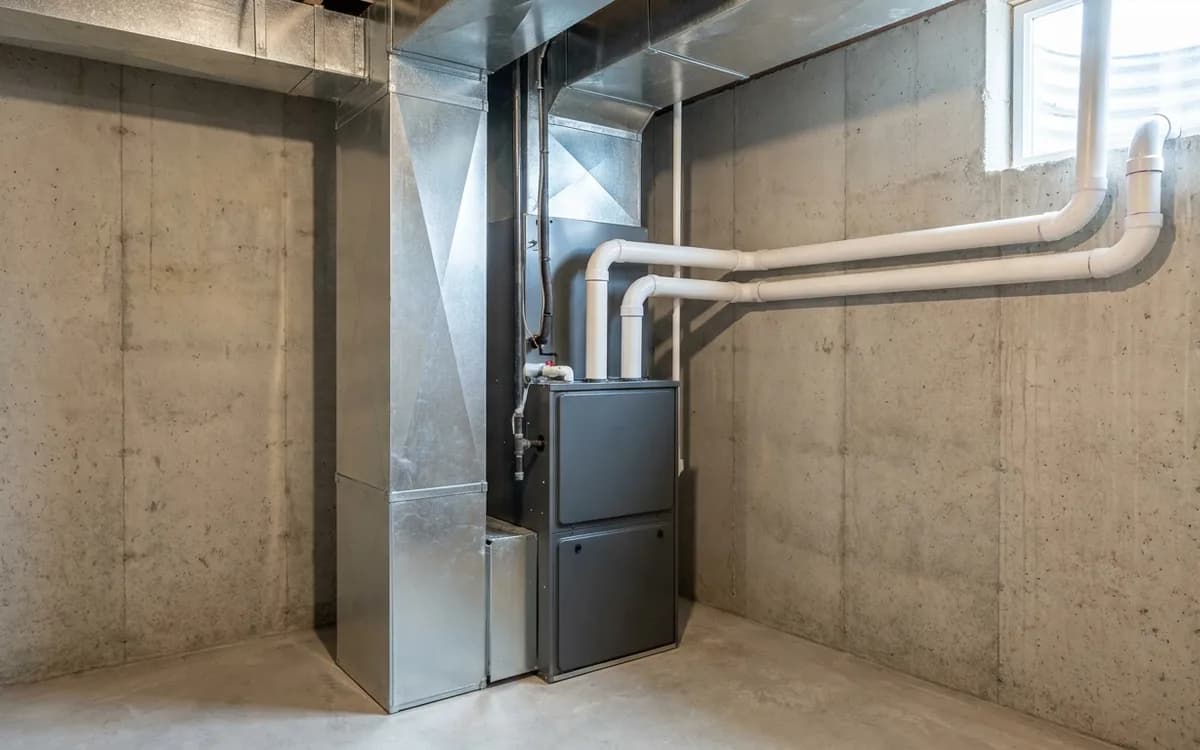
If your home is from the 1990s or 2000s, you're likely replacing the original builder-installed furnace.
That's usually a clean job. Ductwork was designed with the furnace as one system, mechanical spaces are purpose-built, gas and electrical are modern. One day, few surprises.
The equipment itself is the thing to understand. Production builders specify to a budget, which in that era typically meant a mid-efficiency furnace around 80% AFUE — code-compliant and cheapest-compliant. It works, but roughly a fifth of the gas you buy goes up the flue, and a first replacement is your first genuine opportunity to decide differently than the builder did.
The older north-metro half
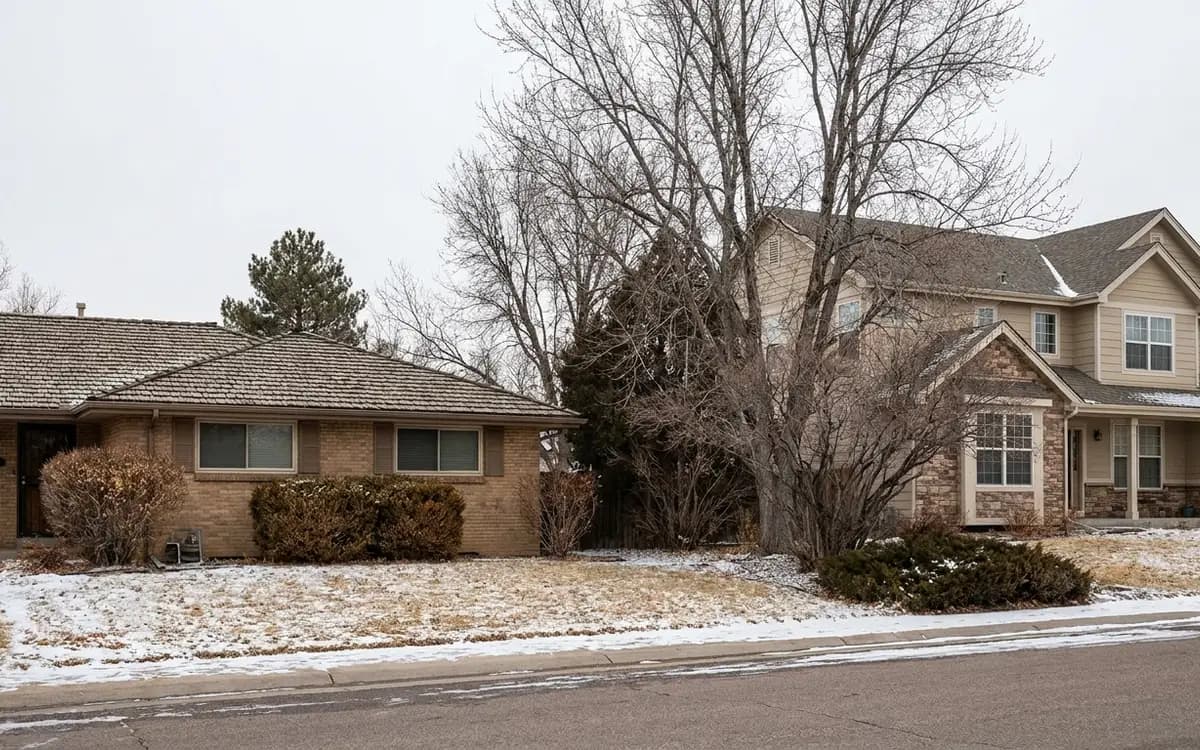
If your home is from the 1970s or 80s, you're on a second or third furnace, and the ductwork is probably still original.
That's the part worth checking. Return ducts sized for a 1975 furnace may be undersized for the airflow a modern high-efficiency unit expects. When that happens the new furnace can't deliver its rated performance no matter how good the equipment is, and the symptoms — uneven rooms, a blower that runs constantly — look like a furnace problem rather than a duct problem.
Ask whether the returns were measured. Duct modification runs $1,600 to $5,550 and up, and it's a number you want before signing rather than mid-installation.
Sizing and altitude
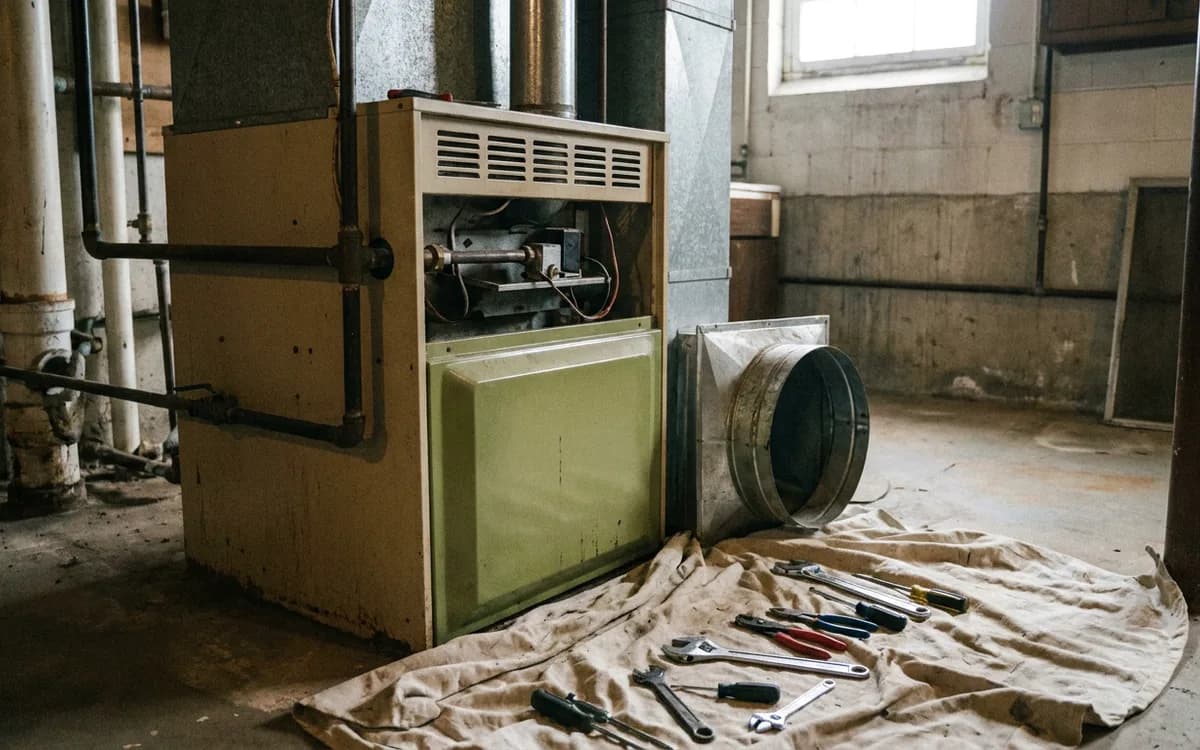
Thornton sits near 5,350 feet, and gas furnaces lose roughly 4% of rated capacity per 1,000 feet of elevation. A furnace sized off sea-level tables shows up undersized here. It's a reasonable question to ask any contractor quoting you, and someone who works the north metro answers immediately.
Beyond altitude, size to the house as it is now rather than to the old nameplate. Insulation upgrades, replacement windows, and finished basements all move the heating load. Repeating the original capacity is the common route to an oversized furnace, which short-cycles — heats fast, shuts off, refires minutes later — producing uneven temperatures and early wear on the ignitor and blower.
Newer south Thornton homes skew larger and often land in the 80,000 to 100,000 BTU range, roughly $6,850 to $10,350 installed depending on efficiency tier.
What to ask before you sign
Four questions that separate a real quote from a guess:
What capacity did you calculate, and how did you account for elevation? A specific answer means a load calculation happened.
Is the permit included, and are you pulling it? Thornton requires a mechanical permit; it should be a visible line at $80 to $150.
Did you evaluate the ductwork? Especially in the older half of the city.
What's covered, and for how long? Labor warranty and manufacturer parts warranty are different things with different terms.
Colorado doesn't license HVAC contractors at the state level — that's electricians, plumbers, and radon professionals. So ask about local mechanical credentials and insurance specifically rather than accepting "licensed" as a blanket claim.

What the job looks like
A straightforward swap is one full day: old unit disconnected and removed, new one set and tied into ductwork, gas, and electrical, venting reconnected or rebuilt, then a City of Thornton inspection within a few days.
Two days is normal when converting to high efficiency with new PVC venting, or when ducts need rework — more likely in the older sections.
The cost breakdown has the full size and efficiency tables. Not settled on replacing? Repair or replace works it through. Xcel's rebates covers the $225 a 95% AFUE unit earns.
Get an estimate for your house
Call (303) 226-1486 or send the form. One insured local heating professional will measure, check the ductwork and venting, and put a written estimate in your hands. If your furnace has more life in it, that's what you'll hear.
We also serve Broomfield, Arvada, Aurora, and the rest of the Denver metro.
Questions
Frequently Asked Questions
How much does furnace replacement cost in Thornton?
Most Thornton replacements run $6,300 to $8,650 for a standard-efficiency gas furnace with equipment and labor, around $7,400 typical. Newer south Thornton homes tend larger and often need 80,000 to 100,000 BTU, which moves the range to roughly $6,850 to $10,350 depending on efficiency.
How old is the typical Thornton furnace?
The median Thornton home was built in 1997 per Census ACS 2024 five-year data, but the stock splits in two: 26.2% built in the 2000s and 19.9% in the 1990s on the newer side, against 13.3% from the 1970s and 13.6% from the 1980s in the older north-metro sections. A 2000s home is likely facing a first replacement; a 1970s home is on its second or third.
Do I need a permit to replace a furnace in Thornton?
Yes. The City of Thornton requires a mechanical permit for a furnace replacement, and your contractor pulls it — typically $80 to $150 as a line on the quote. The permit triggers an inspection, which is the only independent verification that the gas and venting work was done correctly.
Is Thornton on natural gas or something else?
Thornton homes are predominantly served by natural gas, which is what makes a gas furnace the standard replacement here. If your home was built with electric baseboard or you have no gas service at the property, converting to a gas furnace means running a gas line and installing ductwork — a much larger project than a swap, and a case where a heat pump may be more practical.
Why does my newer Thornton home need a furnace already?
A 2003 house is 23 years old, past the 15-to-20-year design life of a gas furnace. Builder-installed equipment from that era was typically specified to a price — commonly around 80% AFUE — and it reaches end of life on schedule even though the house still feels current.
Should I upgrade efficiency when I replace?
It's the natural moment to weigh it. A 95% AFUE unit burns roughly 15% less gas and earns Xcel's $225 rebate, but converting from a chimney-vented furnace means new PVC venting at $899 to $1,965. If you're staying ten or more years, that generally works out; if you're moving in three, it generally doesn't.
Ready to get started?
Get connected with one local, insured heating professional. Honest sizing, a real number, and no obligation to buy.